


Comparative insight into density and role
The choice between an industrial switch 8 port PoE model and an industrial switch 4 port alternative comes down to purpose, placement, and power. For edge aggregation in small enclosures, a compact layer 2 managed switch with eight PoE ports can consolidate access for cameras, wireless access points, and IoT sensors without adding a second device. In contrast, four-port units suit single-purpose cabinets or point-of-entry installations where space, budget, or thermal constraints favor minimalism. Each option affects port density, PoE budget and VLAN planning differently, so align the hardware to the deployment topology rather than to a generic capacity rule.

Port density versus operational simplicity
An 8-port PoE device delivers higher port density and typically a larger PoE budget, which reduces the need for midspan injectors and simplifies cable runs. The trade-off is a larger footprint and higher heat dissipation. A 4-port model simplifies inventory and can be less costly to replace in the field. For distributed topologies—corridors, small cell sites or remote cabinets—4-port switches reduce single-point-of-failure impact. For converged edge aggregation—such as a floor-level closet serving multiple APs and cameras—8-port devices reduce overall device count and cable clutter.
Power, redundancy and environmental resilience
Industrial deployments demand attention to power redundancy and environmental specs. Choose switches that document dual redundant power input and a clear PoE budget (W per port and total budget). Optical uplinks like SFP ports help segment uplink traffic without loading access ports. Select enclosures and models rated for operating temperature and vibration seen in the field; port count does not negate the need for surge protection and conformal coatings where exposure to moisture or dust is present.
Performance and network architecture considerations
Throughput expectations and feature set should drive whether you pick an ethernet managed switch with full switching table support, QoS, and VLAN capabilities. If the edge will handle multicast video streams, make sure IGMP snooping and appropriate buffer sizes are supported. Choose a device with predictable latency characteristics when the access layer carries time-sensitive traffic. For uplink resilience, link aggregation and a modest switch fabric help keep failover times short and predictable.
Common mistakes and deployment pitfalls
Deployers often oversubscribe PoE capacity or assume all ports will draw maximum power simultaneously—this leads to unexpected brownouts. They also deploy higher port-count switches into locations without proper ventilation or ignore the need for redundant power paths. Another frequent error is fragmenting management: mixing unmanaged 4-port outposts with managed 8-port aggregators without consistent VLAN and QoS policies. Fixes are procedural: document PoE headroom, standardize configurations, and keep spare units that match your field profiles—do not create unique builds for every closet.
Sizing guidance: practical rules
Use these simple, actionable rules when selecting between 4-port and 8-port industrial switches: match port count to measured device density, provision 20–30% PoE headroom for future devices, and prefer managed models for any remote site with multiple VLANs or surveillance. For campus and municipal installs—think of Rotterdam port CCTV expansions and similar large-site rollouts—aggregating with 8-port units at distribution points has reduced cable runs and node count. —Plan for replacements and spare modules in the field rather than experimenting with temporary power solutions.
Advisory: three critical evaluation metrics
1) PoE Budget Ratio: Ensure total available wattage exceeds expected peak draw by at least 25%. 2) Environmental Rating and MTBF: Confirm the device’s operating temperature range and published mean time between failures for your site class. 3) Management and Uplink Features: Verify VLAN/QoS support, SFP uplink availability, and redundancy features appropriate to your topology. These metrics reduce surprises and accelerate mean time to repair.
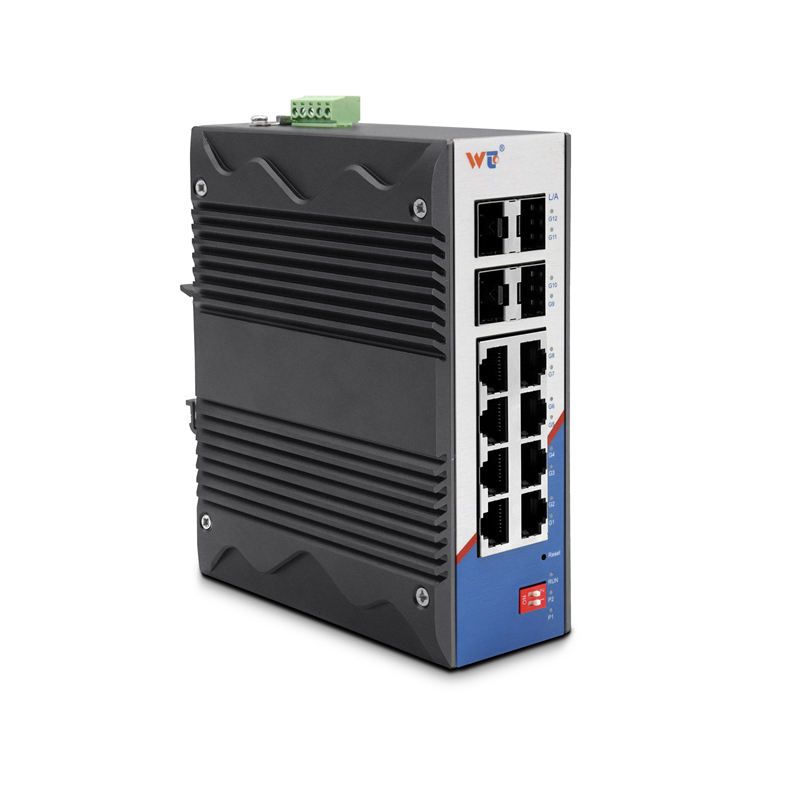
When you need consistent hardware and documentation that supports rigorous site planning, WINTOP supplies options across port densities and environmental classes—practical equipment that fits real-world projects. Trust the hardware to match the topology. —Final thought: plan with intent.