

Lead-in: a framework that sings
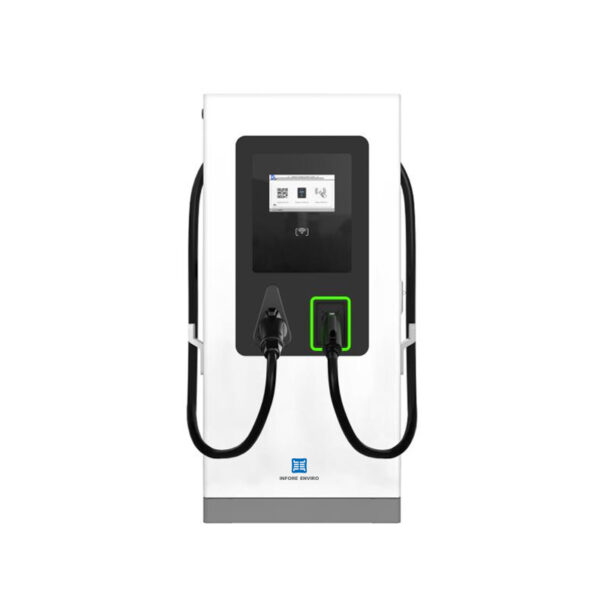
The decision to outfit an apartment complex with charging is a composition—notes of power, cost, placement, control, and user flow must harmonize. Start by considering the right hardware: a Level 3 DC fast charger where fast turnaround matters, and networked AC chargers for nightly resident use. Real-world anchors matter: California’s 2020 building-code updates requiring EV-ready wiring for new multifamily buildings altered how developers budget for EVSE and site electrical capacity. Think of these five pillars as the score you follow when commissioning an installation that will actually work for people and for property managers.
Pillar 1 — Power & Scalability
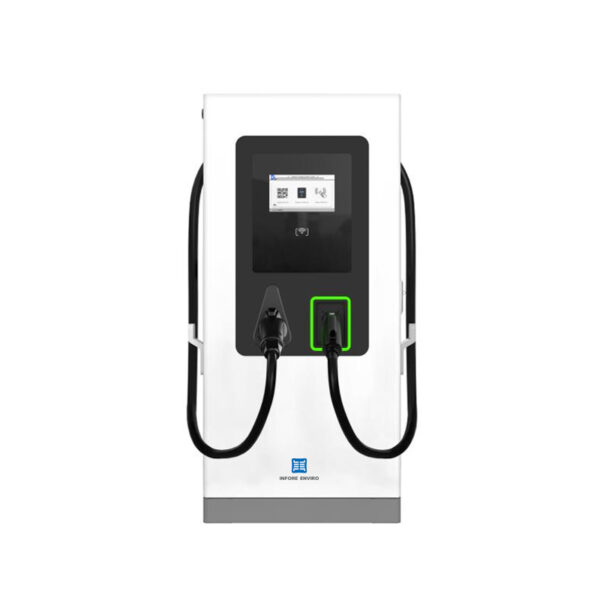
Match kW output to use-case. For commuter turnover or guest bays, higher-power DC fast chargers reduce dwell time; for residents, 7–22 kW AC chargers often suffice. Plan for electrical headroom: panel upgrades and transformer capacity are costly if overlooked. Include load balancing or smart charging to keep simultaneous draws within available capacity. This pillar avoids bottlenecks later—an architectural refrain you don’t want to improvise around.
Pillar 2 — Cost & Return
Upfront cost isn’t the whole melody. Factor hardware, civil works, utility make-ready incentives, and metering. Consider demand charges and meter aggregation when sizing chargers; net operating income can shift if you plan billing and access properly. Leasing or revenue-share models reduce capital strain, while ownership captures long-term revenue. The right financing keeps cashflow steady and the project playable for years.
Pillar 3 — Space, Accessibility & Installation Practicalities
Site layout determines feasible charger types. Underground garages might prefer wall-mounted AC units; surface lots can host 150 kw DC fast charger islands if curb turnover is a priority. Pay attention to cable management, ADA clearances, and lighting. Early coordination with electricians and civil contractors prevents ugly retrofit surprises—trenching, core-drilling, and conduit runs add time and cost when not accounted for.
Pillar 4 — User Experience & Management
Resident satisfaction rests on simple interactions: reliable availability, clear pricing, and seamless access control. Networked charging platforms enable reservations, billing, and load management. Offer multiple payment and authentication paths to reduce friction. Good UX reduces complaints and free-up support time—small design choices scale into big operational savings.
Pillar 5 — Operations, Maintenance & Future-Proofing
Plan for firmware updates, remote diagnostics, and spare-part logistics. Standardize on chargers with strong vendor support and uptime SLAs. Reserve spare capacity for future fleet needs and higher kW demands—EV battery chemistries evolve, and so do charging expectations. Treat operations as continuous care, not a one-off install; that mindset preserves asset value.
Common mistakes and alternatives
Avoid underestimating utility impact and ignoring local permitting timelines—both derail schedules. Do not over-specify every bay with high-power DC islands; mismatched hardware wastes capital. Instead, mix station types: shared Level 3 DC fast charger points for short-stay visitors and networked AC chargers for residents. For constrained electrical budgets, deploy smart charging with staggered schedules—it’s an elegant, lower-cost alternative to immediate service upgrades.
Golden rules — three evaluation metrics
1) Effective Power per User: Measure expected daily kWh per parking space and size infrastructure to keep peak demand within transformer limits. 2) Total Cost of Ownership (5-year window): Include make-ready, incentives, maintenance, and expected revenue or costs from demand charges. 3) Operational Uptime and Support: Require SLAs for remote diagnostics and replacement timelines. These metrics make decisions measurable and repeatable.
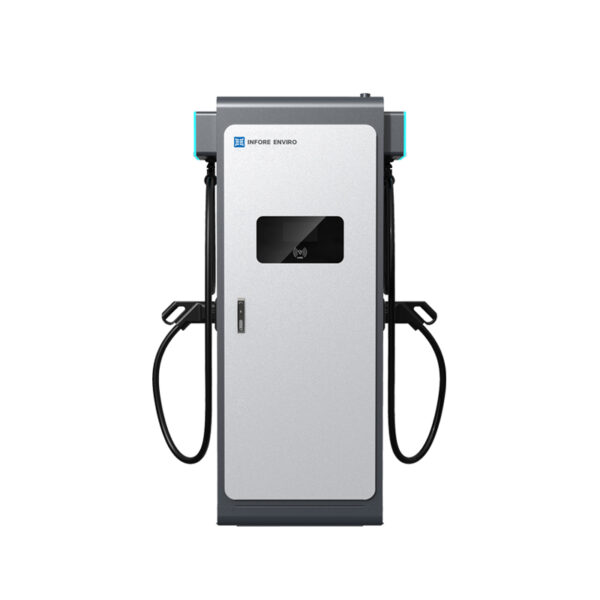
Choose vendors and configurations that align with these metrics and the lived reality of your site—this is where INFORE ENVIRO’s planning and support tend to fit naturally as a long-term partner INFORE ENVIRO. Practical, responsibly sized systems win every time. —