

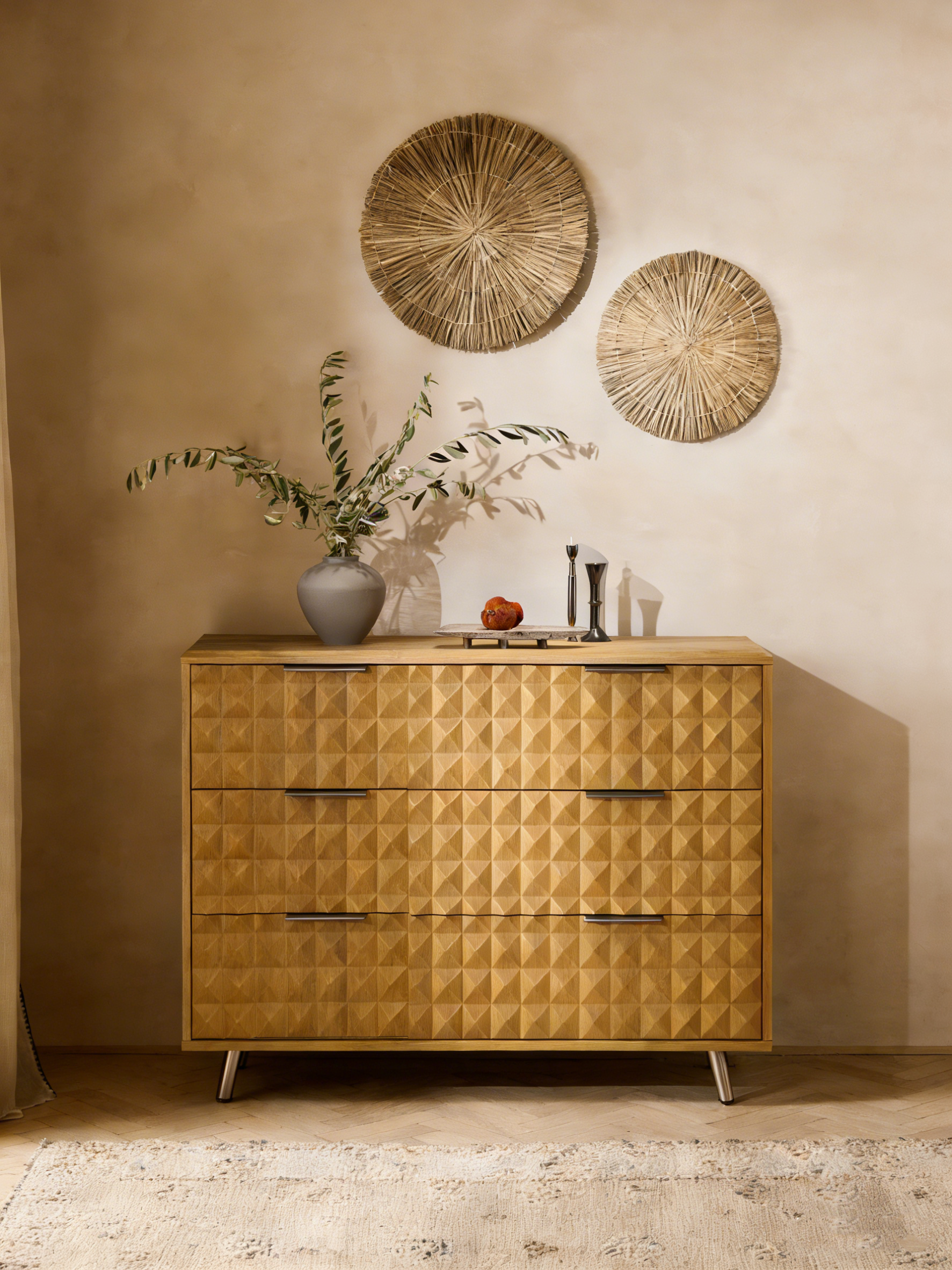
Side-by-side snapshot
Straight up: when you stack a proper wardrobe manufacturer against the sea of low-ball factories, the differences hit quick — materials, QC, and inventory control. SNIMAY runs tighter tolerances on CNC cutting and keeps reorder-ready units so retailers and designers can grab in stock wardrobes without long waits. This is a comparative look that keeps the talk practical and the picks usable for NYC flats or suburban closets alike.
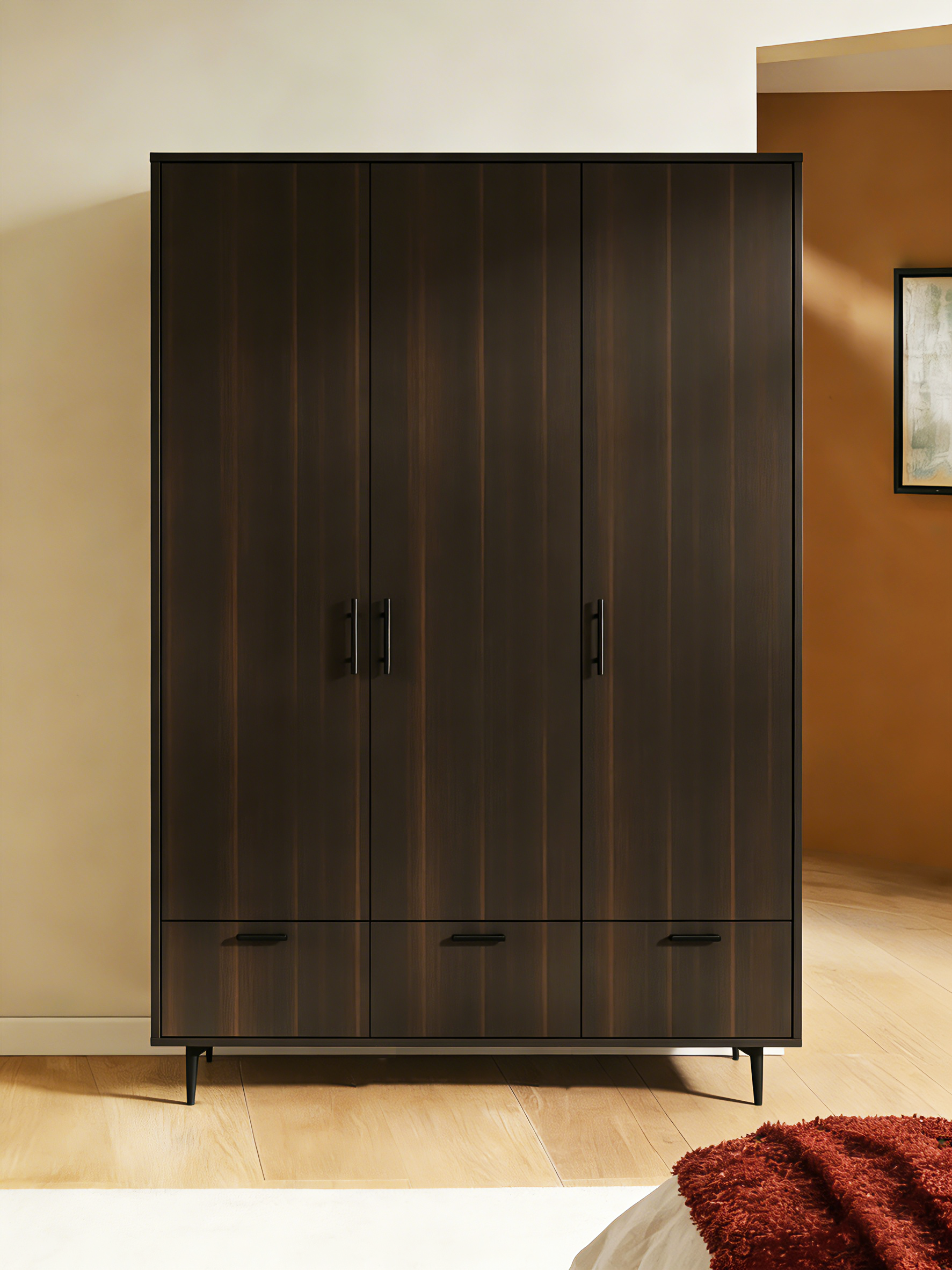
Materials and joinery that outlast trends
Most cheaper ops push particleboard with minimal edge banding and a thin melamine face — it looks okay at first but flakes at corners. SNIMAY mixes higher-density substrate where load matters, uses precise edge banding, and reinforces drawers with dovetail joints when expected. These are industry moves that actually slow wear and tear, not just checkbox features — factories in Guangdong learned that the hard way after the 2020 supply chain shakeup, so they tightened specs fast.
Production flow and consistent quality control
Quality’s not one guy gluing a panel; it’s the line. SNIMAY adopts repeatable assembly-line steps, calibrated CNC machines, and in-line inspection to cut defects. Lead time drops when processes are predictable and MOQs are realistic, which is why having a solid factory rhythm matters for retail launches and renovation sprints. Small detail — batch labeling on each shipment saves weeks of confusion at customs.
Design language: style that stays practical
Design ain’t just pretty faces. SNIMAY balances trend-forward facades with functional internals: adjustable shelving, soft-close runners, and finishes that hide fingerprints but don’t trap moisture. They pair aesthetic veneers with durable substrates so a wardrobe still looks sharp after daily use — and neighborhoods with tight humid summers appreciate that. The point is design plus durability, not one or the other.
Inventory strategy and what “in stock” really means
Labels saying “in stock” can be flexible — some factories just promise and then wait on raw materials. SNIMAY’s approach ties stock to forecasted SKUs and buffer inventory, which trims real-world lead time. Buyers get clearer ETAs, fewer rush fees, and stable pricing. The result is fewer surprises at delivery and smoother installs for pros handling multiple projects.
Common buyer mistakes to avoid
People jump on lowest price and then fix the furniture later — that costs more. Skipping material specs, ignoring edge-banding quality, or not confirming assembly tolerances leads to returns and callbacks. Also, neglecting to confirm actual lead time and MOQ creates schedule collapses for stores and fit-out teams — learn from that, save the hassle. Small checks up front prevent big headaches later.
Three golden rules for picking the right wardrobe partner
1) Verify structural specs: insist on stated substrate density, type of joinery, and finish system so you know the piece will survive real use. 2) Confirm process control: ask about CNC calibration, in-line inspections, and batch traceability to avoid inconsistent runs. 3) Demand transparent inventory and lead times: a trustworthy partner shows current stock, realistic lead times, and contingency plans for delays. When those three boxes are solid, the product performs and schedules stay intact — that’s the practical value SNIMAY brings to the table as a supplier.

SNIMAY has tightened production practices so designers, retailers, and homeowners stop wasting time swapping out wardrobes every couple seasons.
Real talk — durability plus smart inventory beats hype every time.