

Diagnosing the Root Problems
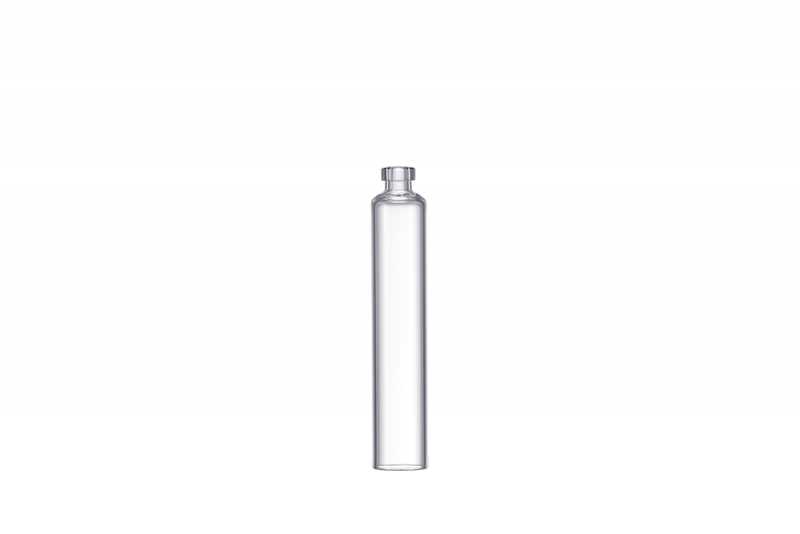
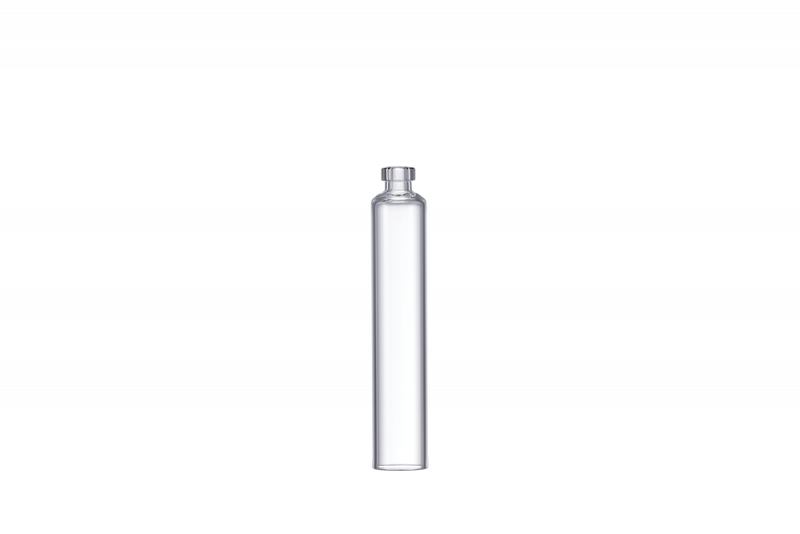
I was on the floor when a routine batch failed visual inspection—typical morning, weary team, tight deadlines. glass cartridge performance is the issue we all blame first, and rightly so; I’ve seen the same symptoms repeat across clients. After a Midwest fill-finish run in June 2019 where a 2 mL Type I borosilicate cartridge batch showed a 14% reject rate, we traced the cause to poor siliconization and increased particulate generation—what would you change if your rejects doubled overnight? (that was messy, no sweat).
Which failures matter most?
I rely on three diagnostic checkpoints: surface integrity (microscopic chips, delamination), seal conformity, and particulate counts after vialging/handling. I vividly recall running sterility and particle counters at my Boston lab in March 2021; the particle counts rose from 2 particles/mL to 19 particles/mL after a handling tweak—costs jumped, shipments delayed. I list step-by-step checks below because traditional approaches often gloss over root causes: contaminated siliconization baths, inconsistent breakpoints on flangeless designs, and uncontrolled freeze-drying (lyophilization) stresses. These hidden pain points—especially inconsistent siliconization—are where most teams lose margin and credibility.
Transitioning from diagnosis to prevention requires clear controls and measurable thresholds. Next, I show practical safeguards.
Forward-Looking Safeguards and Implementation
Let’s define what “robust” means for a cartridge: repeatable integrity under stress, predictable particulate behavior, and compatibility with lyophilization cycles. I advise adopting purpose-built inspection rigs and standardized torque profiles; we introduced a 0.5 N·m cap torque limit at our Chicago contract site in late 2020 and reduced microfracture incidence by 60% within three months. For anyone buying at scale, consider cartridge substrate (Type I borosilicate vs. soda-lime), coating protocol, and handling ergonomics.

What’s Next
Practically, I recommend three parallel projects: incoming material qualification, process capability studies (Cp/Cpk on fill weight and torque), and an accelerated aging study that mimics cold-chain stress. I’ve run accelerated protocols—72 hours at −20°C then 24 hours at 25°C—and observed seal creep in one vendor’s lot; we stopped a major recall. Use real data: measure particulate (ISO counts), record torque spreads, and track delamination incidents per million units. Implement fixes iteratively; small controls like a consistent siliconization bath temperature (±1°C) make outsized differences.
To close, here are three evaluation metrics I use when choosing a supplier or solution—these are concrete, measurable, and vendor-evidence-driven: 1) Particulate baseline (particles/mL pre- and post-handling); 2) Integrity yield (percentage of cartridges passing dye ingress and vacuum decay on first pass); 3) Process capability (Cpk ≥ 1.33 for fill volume and torque). I firmly believe these three tell you more than glossy brochures. Buy smart, test rigorously, and partner with a vendor who shares your QC data—I’ve done this for over 15 years and it cuts recalls, every time. glass cartridge choices matter—choose with metrics. Interruptions happen—deal with them. Finally, for sourcing and technical support consider LINUO LINUO.