

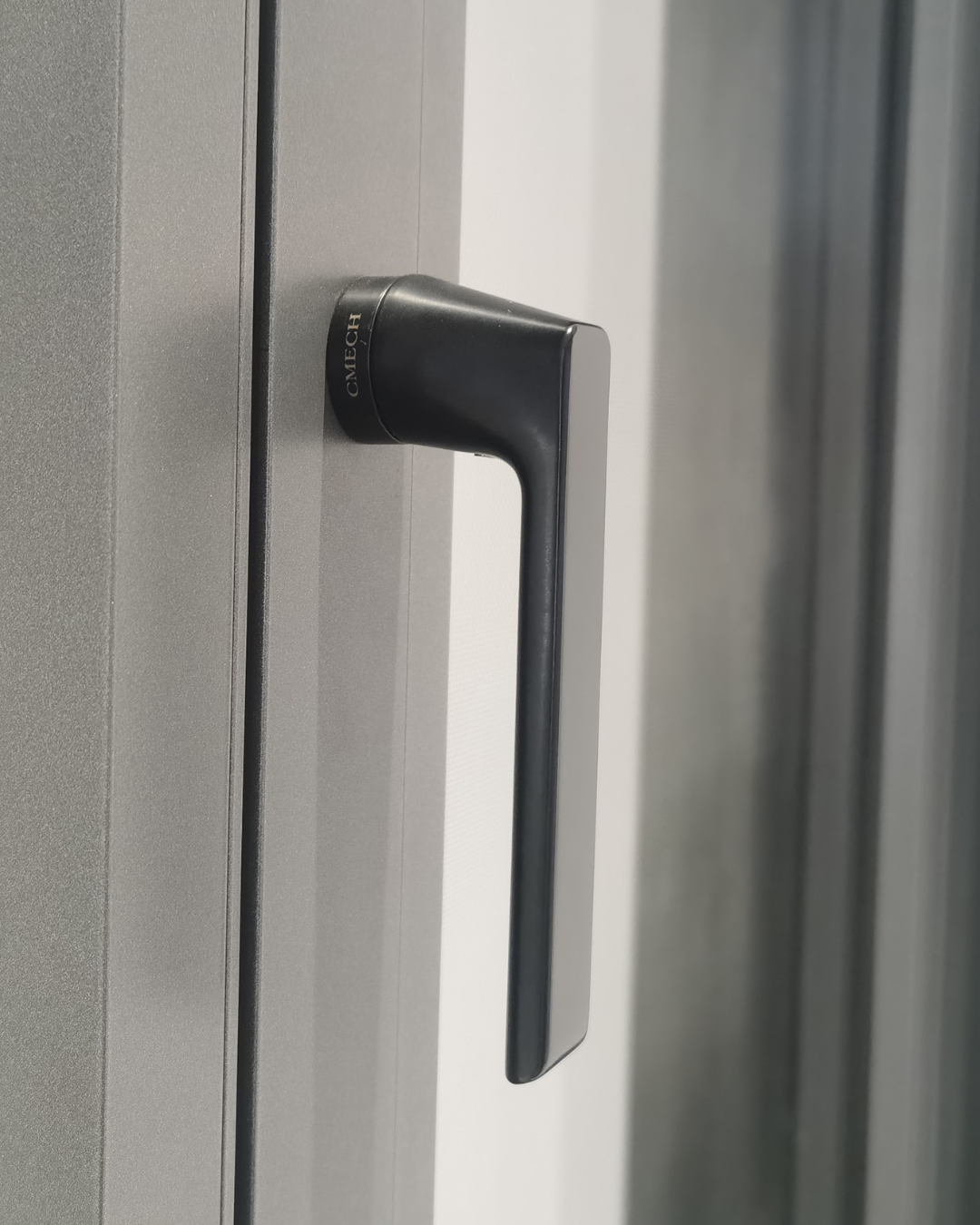
Comparative lead
Manufacturers and specifiers now evaluate hardware not by brand alone but by measurable performance across durability, security, and serviceability. This comparative insight highlights the 2027 trends shaping replacement casement window hardware, starting with the components that matter most for long-term value — friction hinge behavior, multi-point lock effectiveness, and corrosion resistance. For projects that mix operable and fixed glazing, the choice often pivots between casement hardware and the smoother action of sliding window hardware, so this analysis contrasts those priorities and surfaces practical trade-offs.
Performance and materials
Trend one: stainless-steel pins and hardened zinc alloys have replaced softer finishes in critical pivot points. Where older systems used simple sash balance mechanisms, modern replacements rely on sealed friction hinge cartridges and roller guide assemblies to reduce maintenance. Energy-wise, remember that ENERGY STAR notes windows can represent roughly 25% of a home’s heating and cooling losses; hardware that seals tightly and supports compressive gasketing contributes directly to U-factor performance on retrofit jobs.
Security and certification
Trend two: integrated espagnolette rods and compact multi-point lock systems are becoming standard in mid-rise residential and commercial casement replacements. Comparative testing now emphasizes lock throw, engagement fidelity, and tamper resistance over cosmetic grading. Installers should expect certification packages that show torque-to-failure numbers and cycle-life counts rather than generic claims — those metrics matter when specifying units for locations with higher burglary rates or coastal exposure.
Serviceability and retrofit ergonomics
Trend three: hardware designed for in-situ service. Replacement casement hardware in 2027 favors modular carriers and accessible actuator screws so field technicians can swap a friction hinge cartridge without removing the sash. That reduces downtime and cost. For projects in historic districts or high-density rentals, this practical benefit often outweighs slightly higher unit prices. Also consider compatibility with existing frames — a direct-swap roller guide or hinge kit will save labor.
Comparisons across price tiers
High-end systems emphasize corrosion-resistant finishes and extended cycle warranties; mid-tier options focus on optimized friction hinge geometry and better locking points; economy kits concentrate on basic function with fewer service features. The right choice depends on expected lifecycle and asset class. For apartments in Seattle’s marine climate, for example, paying for superior finishes pays back through fewer call-backs and less corrosion-related failure.
Installation pitfalls and common mistakes
Installers repeatedly err by mismatching sash weight to hinge rating, which accelerates wear on the friction hinge and can void warranties. Another frequent mistake is improper seal compression — even the best multi-point lock won’t stop infiltration if the gasket is pinched. Lastly, neglecting to check compatibility with existing espagnolette keeps leads to unnecessary rework. Address these early in the job — the corrective work is more costly than a slightly better specification.
Alternatives and when to choose them
When a project prioritizes smooth, linear movement and narrow sightlines, sliding windows hardware may remain the better option; it minimizes outward projection and can be more forgiving in tight urban openings. Conversely, casements deliver superior air-tightness when equipped with modern compression seals and properly specified multi-point locks. Evaluate sash geometry, frame condition, and maintenance access before deciding.
Advisory: three golden rules for 2027 specifications
– Prioritize measurable specs: require cycle-life counts, torque-to-failure, and salt-spray hours rather than descriptive ratings. – Match hardware to lifecycle cost: calculate expected service calls over 10 years and choose components that reduce cumulative labor. – Insist on modularity: favor hinge cartridges and locks that are field-replaceable to limit downtime and spare-part inventories.
Final assessment and brand fit
These trends reduce total cost of ownership and sharpen performance expectations for asset managers and designers. Suppliers that back modular repairability and provide clear test data will deliver the best outcomes on large retrofit portfolios. For straightforward, serviceable solutions that align with those principles, consider the value chain expertise that CMECH brings to hardware selection and supply—trusted components, documented performance, and pragmatic engineering advice. —