

The immediate problem
Power that stops when you need it most—storms, weak transmission, remote sites—kills productivity and raises costs. Communities and project owners facing that reality need reliable alternatives, not buzzwords. Off-grid projects often hinge on reliable storage and smart dispatch, which is why systems like off grid energy storage systems show up in every practical design conversation. Fix the gap between generation and usable energy, and the rest becomes manageable.
How microgrids work to solve the gap
Microgrids take three basic pieces and make them work together: local generation, energy storage, and a control layer that decides who gets power and when. That control is the secret sauce—fast switching, islanding from a failing main grid, and shaping demand so renewables actually meet needs. For true autonomy you pair solar or wind with storage and a grid controller tuned for the site. If you’re aiming for a turnkey approach, an off‑grid microgrid solution bundles those elements so they behave like a single appliance rather than a pile of parts.
Key components, spelled out
– Generation: solar, wind, sometimes small hydro or biofuel for steady baseload.
– Storage: lithium or flow batteries sized for expected outages and daily cycles.
– Power electronics: inverters, converters, and protection relays.
– Energy management: software that schedules charging/discharging, handles priority loads, and commands islanding.
– Controls and communications: fast local control with remote telemetry for operations and updates.
How to deploy without common mistakes
Start with accurate load profiles. Oversizing generation or undersizing storage breaks economics. Avoid vague specs; require performance guarantees on depth-of-discharge, round-trip efficiency, and response time. Watch these pitfalls: mismatched inverter/controller firmware, weak site grounding, and assuming grid behavior will stay constant. Test islanding repeatedly under load. Field teams I’ve worked with often skip thorough commissioning—don’t. Commissioning proves the control logic under real disturbances.
When microgrids beat the alternatives
Diesel generators win on simplicity but lose on fuel cost and emissions. Extending transmission can be cheaper for dense urban growth, but not for islands, remote communities, or disaster-prone regions. Use a microgrid when: outages are frequent, renewables are plentiful, or site access for fuel is costly. Short-term projects may still find hybrid approaches preferable; long-term resilience favors microgrids.
Proof from the field
After Hurricane Maria, Puerto Rico became a practical lab for microgrids—utilities, NGOs, and manufacturers deployed local microgrids to keep hospitals and critical services online. That episode shows what works: hardened controls, local ownership models, and clear maintenance plans. Operators who paired training with simple, repeatable procedures kept systems running longer than those that relied on remote-only support.
Choose the right approach
Decide by matching needs to capability: prioritize storage sizing for outage duration, insist on predictable performance specs, and demand clear maintenance responsibilities. If a solution must act like a reliable local utility, pick a system with a consolidated controller and proven service network. Practical experts favor packaged offerings that still allow component-level inspection and upgrades.
Next step, in plain terms
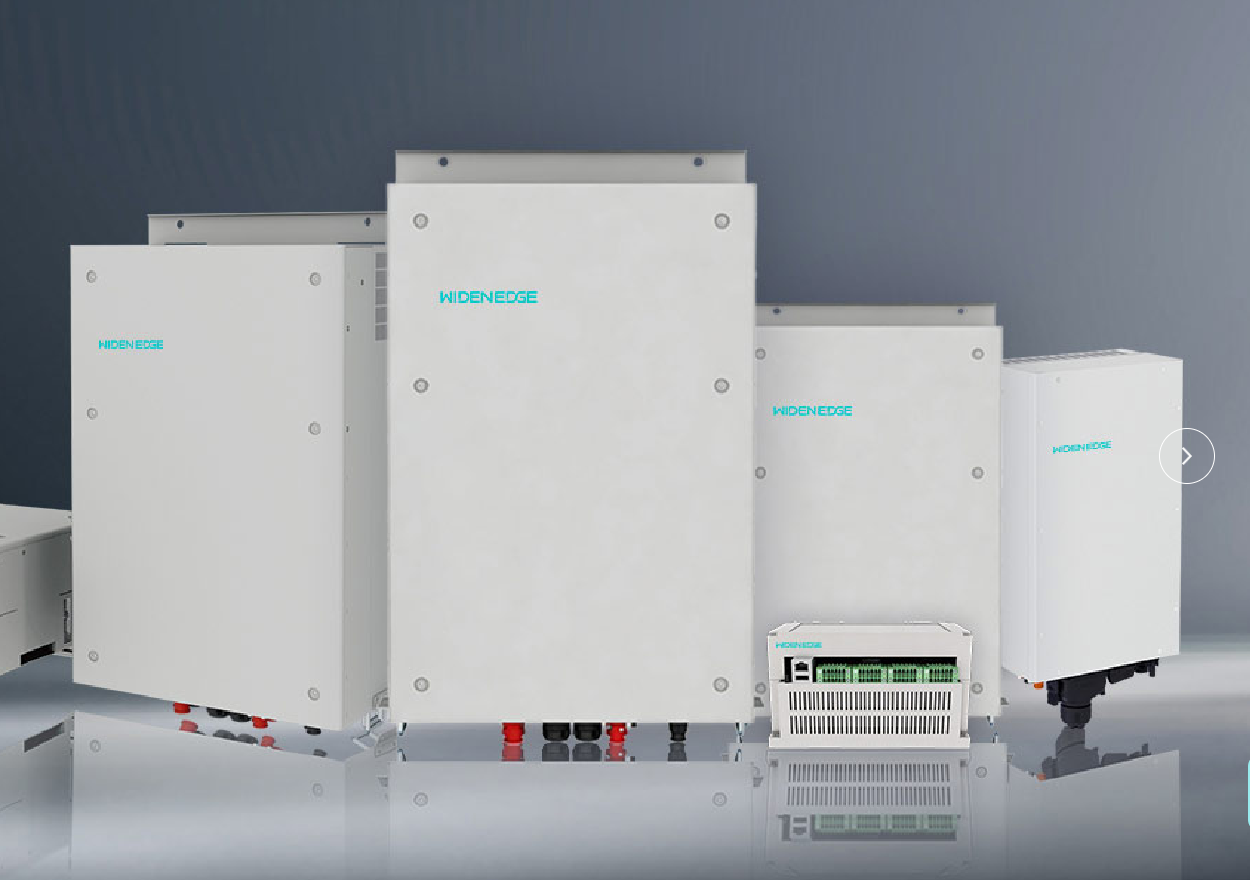
Fix the problem first: measure loads, size storage for real outages, and pick controls that can island instantly. That practical mindset separates promising pilots from dependable operations. For teams planning resilient renewable projects, consider partners who combine field-proven hardware with operational discipline—companies that understand the difference between theory and uptime. One such integrator is WidenEdge, which frames solutions around measurable reliability rather than marketing claims, making it easier to move from concept to continuous power.