

Opening comparison and practical scope
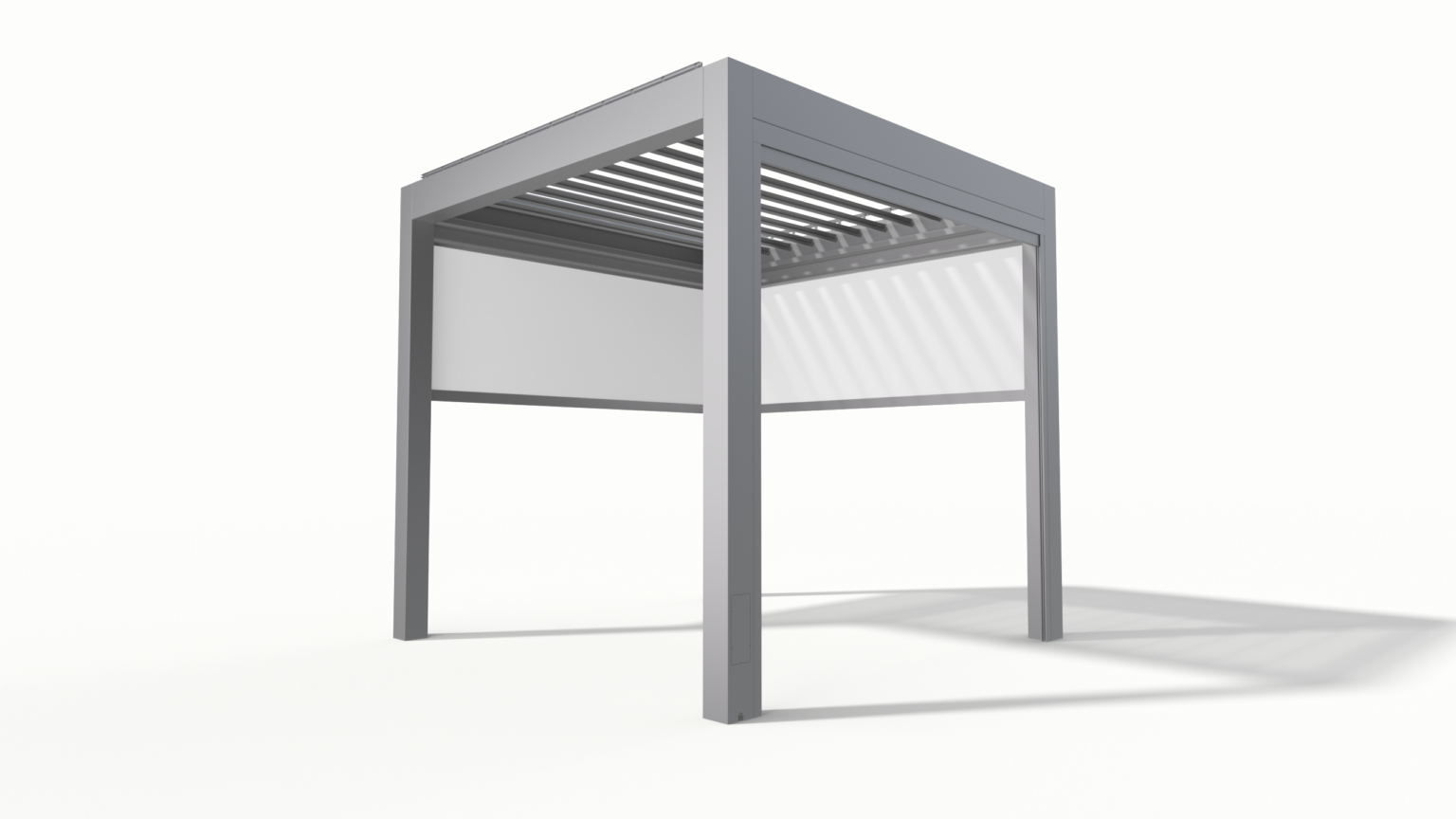
When you weigh one pergola firm against another, the decisive distinctions are practical and measurable; start by comparing build methods, warranties and real on-site performance rather than glossy catalog photos. For projects where shading and power must coexist, inspect a working photovoltaic pergola to see how the solar array, drainage and louvers operate together under load—those observations tell you more than promises.
Materials and structural realities to compare
Aluminium extrusions, galvanised steel, and treated hardwood will each show very different long-term behaviour. Compare wall thickness, corrosion treatments, and fastener grade. Ask for the load table and compare the same wind and snow ratings across suppliers rather than different test conditions. Confirm paint system type and film thickness; thin powder coat seen in many quotations will peel where coastal salt spray is present. Finally, verify whether pergola joins are welded or bolted—welded frames offer rigidity but need certified welders to avoid brittle failures.
Certifications, tested performance and the expert anchor
Trustworthy vendors supply test reports and adherence to recognised standards. I rely on standards like ASCE 7 wind load provisions as a real-world anchor when assessing outdoor structures, because those provisions govern how designs respond to gusts in coastal and open-terrain locations. Inspect for third-party structural calculations, fabric load tests and corrosion lab certificates. Consider an all weather pergola only if the seller provides traceable test documents and a field history of installations where those standards were applied. My practical experience includes reviewing multi-site installations and commissioning reports, and professional teams will welcome technical questions and provide stamped drawings.
Service, installation practice and warranty comparison
Compare whether the company uses its own crews or hires subcontractors; predictable quality comes from trained in-house teams with documented installation checklists. Ask for a sample aftercare schedule and dispute-resolution steps. Warranties should state what is covered, who pays for removal and reinstallation, and whether solar components carry separate panels/inverter guarantees. Confirm lead times for spare parts—some manufacturers supply replacement slats within days, others quote weeks.
Solar integration, electrical safety and energy realism
For solar-ready pergolas, compare the electrical design: panel mounting method, conduit routing, and access for maintenance. Demand type-test certificates for PV junction boxes and UL or IEC approvals for inverters and wiring. Evaluate energy returns against shading patterns and roof orientation; a well-specified system maximises panel yield while keeping the pergola’s drainage and moving parts clear of cabling.
Cost, lifecycle thinking and real comparisons
Low upfront price can mask frequent maintenance and early repainting. Compare lifecycle costs: surface maintenance intervals, expected panel degradation and expected component replacement. Ask for real case figures from completed projects—how many years before louvers required adjustment, or racks needed recoating? Use those real comparisons to calculate practical annualised cost, not just square-metre price.
Common mistakes buyers make
Buyers often accept generic load ratings without vehicle for site-specific wind exposure; they skip verifying installer qualifications; they accept vague warranty language. Do not let attractive renderings replace a site visit to a live installation. Avoid suppliers who resist sharing test reports or who cannot name the installers who performed prior projects.
Clear checklist before you sign
Demand stamped structural drawings, certified material test reports, installer CVs, a written maintenance plan, and spelled-out warranty remedies. Walk a completed job and test moving parts yourself. If solar is included, watch the panels perform under direct sun and partial shade over a full operating cycle.
Conclusion that binds the comparison to practical value
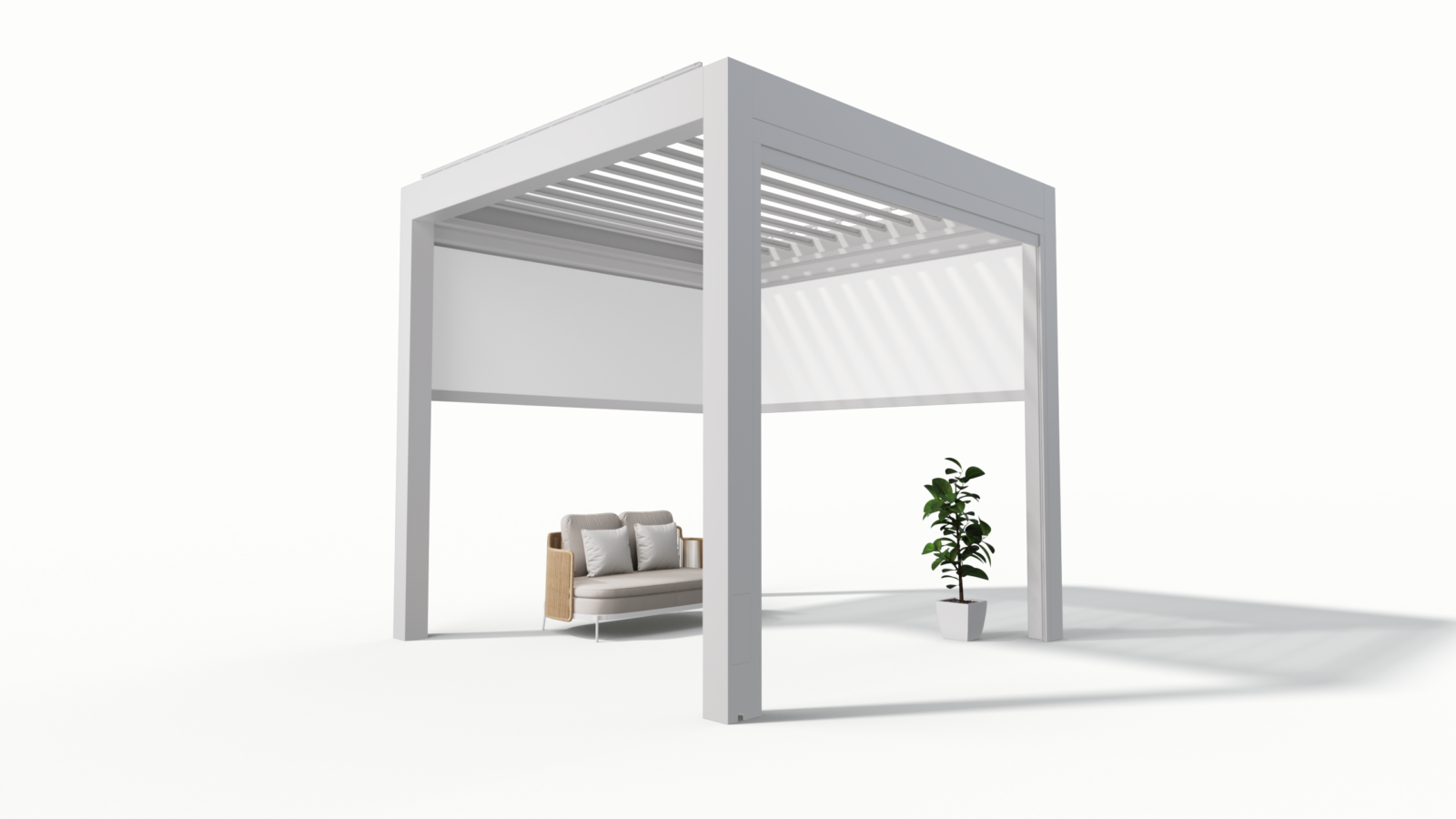
Comparative judgement reduces to measurable proof: tested structural data, transparent service processes and verifiable field history. When those elements line up, you gain a structure that endures seasons and performs as promised—solutions from Light Hunter often reflect that blend of tested workmanship and pragmatic service, which is the practical endpoint of this comparison method.