

Introduction — a question that stings
Have you ever watched an order pile up and wondered if swapping a machine could fix the mess? I ask because I’ve seen shops choke on lead times and then—slowly—recover. In many mid-sized plants I consult, an industrial SLA 3d printer sits on the shortlist when parts can’t meet tolerance or when tooling costs explode.
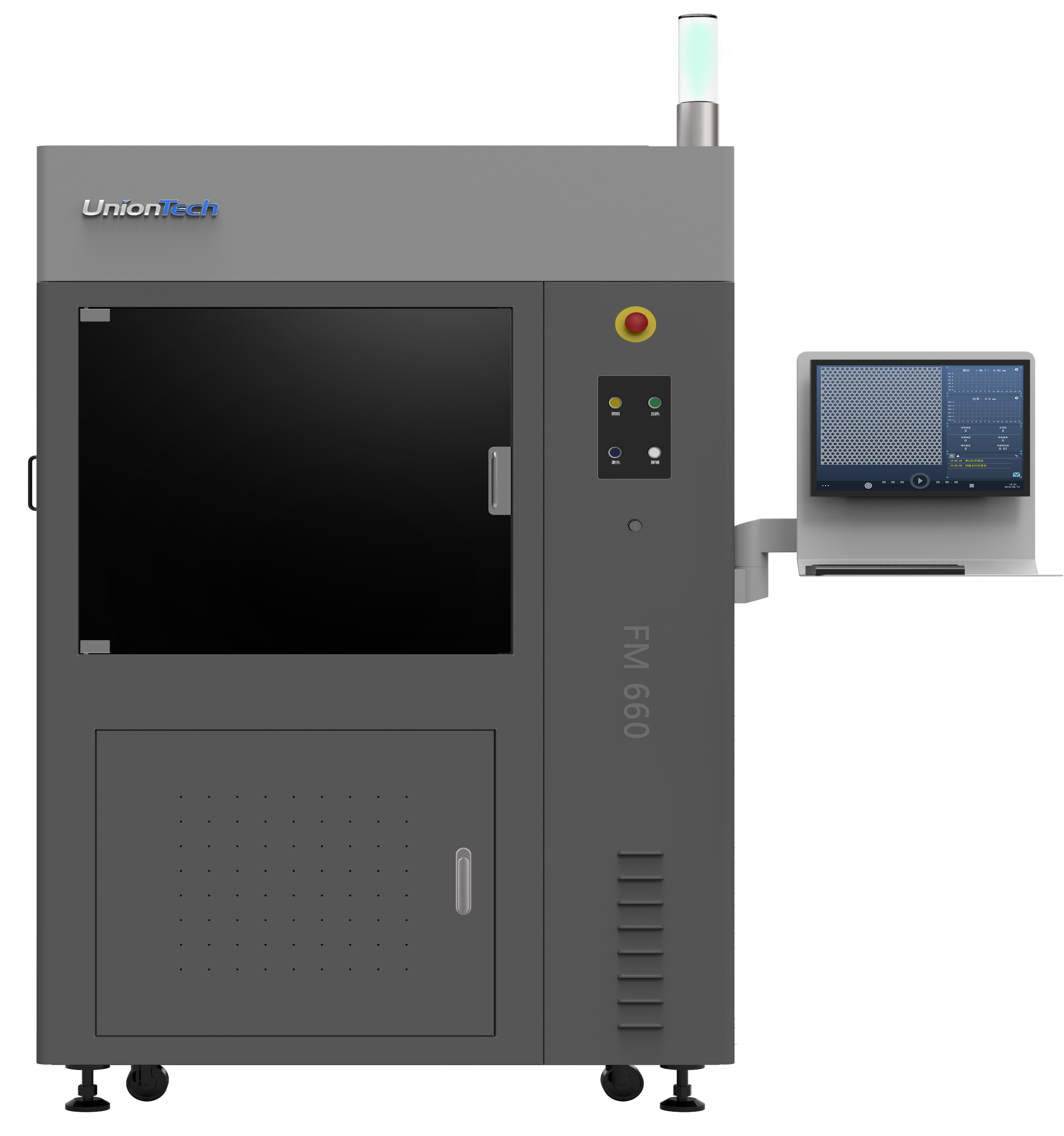
I’ve been working in industrial additive manufacturing supply for over 18 years, and I still remember a Saturday morning in June 2021 at a Dayton, Ohio contract shop: three missed shipments, a machinist asleep at his bench, and a stack of parts with bad radii. The data was blunt — a two-week lead time and a 14% scrap rate on finishing. So I asked the team a blunt question: can an SLA cell cut that backlog without wrecking quality? (No one liked the math at first.)
That’s the setup: a real shop, clear numbers, and one choice to make. How do you weigh speed, material performance, and downstream labor? Let’s move into what usually hides behind the sales pitch.
Where traditional fixes fall short — the hidden cracks
Why you still see rework after swapping machines?
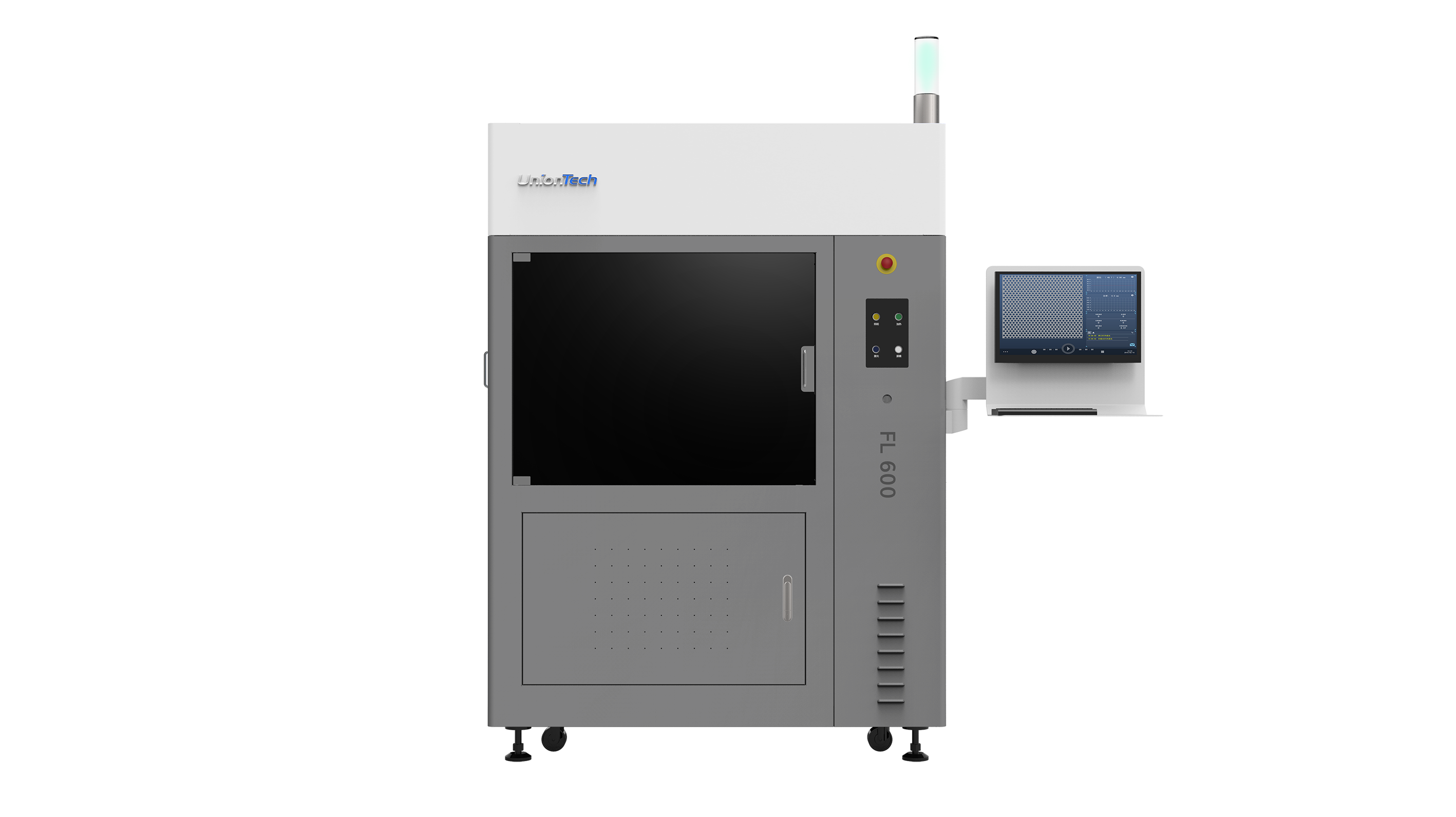
When teams grab a large scale 3d printer expecting a drop-in cure, I watch them learn the hard way. The common fixes — bigger CNCs, outsourcing to a machine shop, extra inspection steps — tackle symptoms but not root causes. I’ve audited lines where outsourcing added two weeks and 18% extra cost per part because the external shop couldn’t hold thin-wall tolerance without special fixturing. The lesson: changing the machine without changing the workflow keeps the same failures.
Technically, SLA brings its own traps. Photopolymer resin chemistry behaves differently under varying temperature and humidity. Laser galvanometer tuning affects surface finish and accuracy. Post-curing can shift dimensions if you don’t control heat evenly. I once replaced a worn injection mold with a printed pattern and watched finishing time drop — but only after we standardized fixturing and reduced bake times. Trust me — I’ve cleaned resin traps at midnight and adjusted exposure tables at dawn. Those small steps count as much as the headline specs.
Forward view — comparing new tech and real outcomes
What’s next for parts, processes, and products?
Shift the frame from machine specs to use case. I like to compare a retrofit to a fresh line, not in abstract, but with a sample product. Take 3d printed footwear: the last pilot I advised (a February 2023 run in Portland) cut tooling time by six weeks for a new midsole design, and the first-run fit iteration that used to cost $25,000 now cost under $3,500 in rapid iterations. That wasn’t magic. It was matching build volume, resin tensile data, and post-cure protocol to the product intent. The hyperlink to 3d printed footwear examples shows the direction — lighter, tuned parts, and faster design loops.
Compare metrics, not marketing. Measure cycle time variance, the percentage of parts meeting as-built tolerances, and finishing labor hours per batch. Those numbers reveal whether the SLA step shrinks total lead time or just moves work downstream. I prefer semi-formal tests: run three repeat builds, log dimensional drift at +24 hours, and measure force-deflection on critical ribs. The outcome? Often reduced iteration cost, but you must invest in fixture design and post-processing jigs — otherwise gains leak away. — small friction, big effect.
Choosing the right path — three practical metrics
I’ll end with clear, actionable measures you can use when comparing systems. Over the years I’ve seen teams choose tools on price and regret it. Instead, score vendors and workflows on these three metrics:
1) Total Process Lead Time: from digital file to shipped part. Don’t stop at print time — include wash, post-cure, inspection, and any manual finishing. In one job I tracked, print took 12 hours but total time was 48 hours because post-cure racks were undersized.
2) First-Pass Yield by Feature: percent of parts that meet critical dimensions without rework. Measure on the features that matter — hole diameter, fillet radius, or snap-fit stiffness. A supplier I worked with in 2020 raised yield from 72% to 90% after adjusting exposure by 6% and adding a simple heat lamp for consistent curing.
3) Labor Hours per Batch: how many person-hours to get a finished part. SLA can cut machining time but raise finishing hands-on time if supports are heavy. I recommend timing a full batch run on your floor — including unpacking resin and cleaning vats — before signing any purchase order.
Make the call with data and a short pilot run. I’ve guided procurement teams through that exact playbook, and it keeps surprises low. At the end, you’ll still be the one on the floor deciding the trade-offs — I can help point out the ones that matter most. For equipment and service options I respect in this space, see UnionTech.