

Introduction: The Real-Life Shuffle We All Know
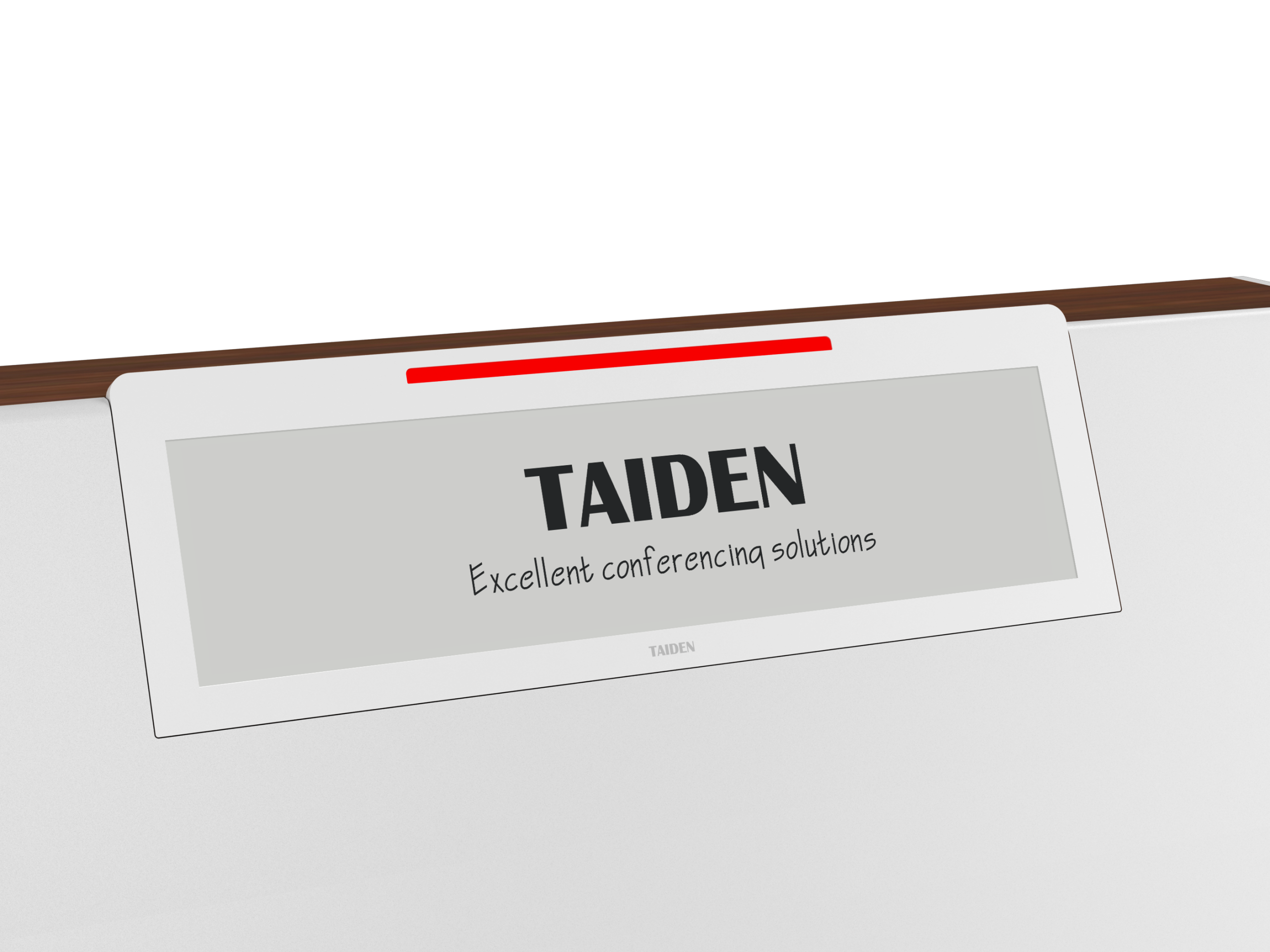
It’s 8:45 AM, doors are about to open, and your panelist just swapped seats with a VIP guest. The coordinator sighs. The signs don’t. A digital name plate could have saved that scramble. In large events, up to 30% of seat labels change within an hour of start time, and reprints add cost and delay—funny how that works, right? Now imagine a hall where updates hit every sign in seconds, with no reprint and no stress. Tara, picture your team doing more than taping paper.
We’ve seen the manual way. It’s slow, and it breaks when schedules slide. So, here’s the question: if the signs are smart, what else gets better—accuracy, time, or the whole flow? Sige, let’s move into the core issue and why the old tools keep letting us down.
Where Traditional Solutions Trip—and Why It Matters
Why do old fixes still break?
Printed placards are neat on Day 1. On Day 2, they’re outdated. Tablets seem modern, yet they bring new problems: glare, charging, app crashes, and Wi‑Fi drops. They’re not built for always‑on identity. A true digital name plate has a different job: clear, persistent text, low energy draw, and simple control at scale. Look, it’s simpler than you think—until you peek under the hood. If power converters fail, or if BLE beacons drift, your “smart” sign becomes a dumb one fast. The fix is not just a better screen; it’s a better system.
Legacy setups also miss quiet but costly gaps. Updates rely on a staffer with a cart. Firmware gets ignored because there’s no firmware over‑the‑air (FOTA). Edge computing nodes are absent, so every change rides the cloud and stalls under poor connectivity. And battery swaps? They slip the schedule and the budget. These are not flashy issues, but they erode trust in the tool. When names must be right—every time—reliability beats novelty. That’s the gap we need to close before we even talk about features.
From Fixes to Frameworks: The Next Layer of Smart Signage
What’s Next
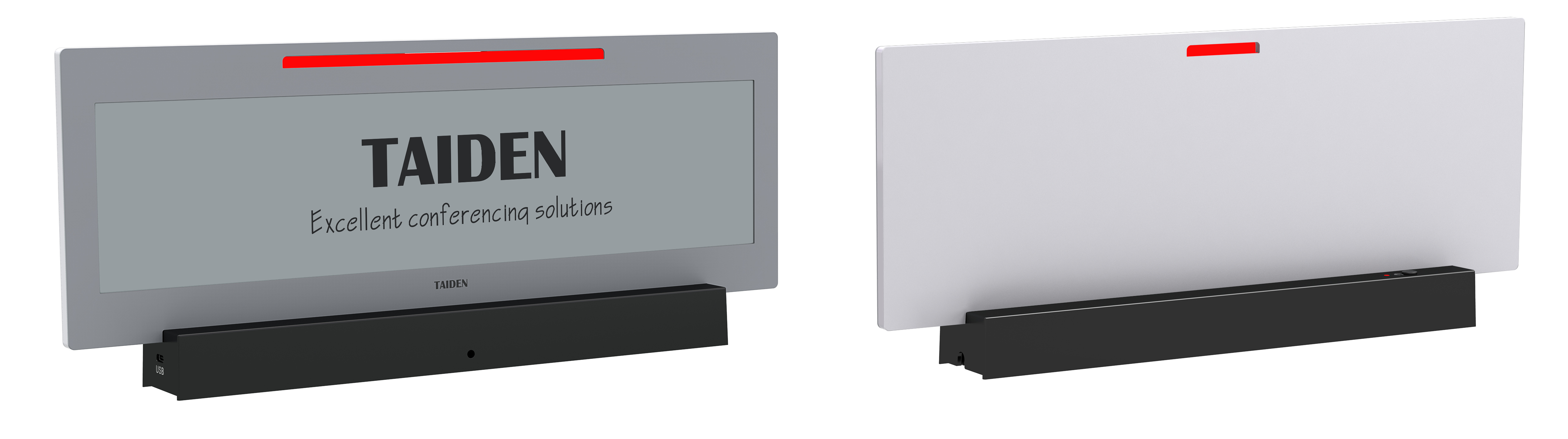
Now, let’s compare where we’re heading. New systems use bistable, paper-like screens that hold text without drawing power. A modern stack pairs a low-power MCU with mesh networking to deliver updates even if one node drops. A true paper like display—yes, the kind that looks crisp under bright lights—can be both elegant and tough. See how a paper like display works with edge gateways: local logic cuts latency and survives a shaky network. Add optional PoE switches for stable power, plus RTLS tags or RFID when seats move with the crowd. The result is not just a nicer sign, but a predictable system—one that fits your hall, your boardroom, your plenary.
So, what should you look for next, beyond the brochure? First, measurable latency under load (peak moments are the real test— and not just on paper). Second, power design that hits a 12–24 month battery window or stable PoE, verified in real rooms, not labs. Third, lifecycle control: FOTA updates, device health dashboards, and alerting when BLE beacons or nodes need attention. In short, we move from “Does it display a name?” to “Does it sustain accuracy, day after day, at scale?” That’s the shift. And if you want a benchmark for how vendors tackle this systems view, see how established conference tech brands structure their device networks, like TAIDEN.