

Opening the City Road: a Simple Truth
Morning rush. Lights flip from green to red, again and again, and the lane becomes a narrow river of mirrors and elbows. A sport cruiser motorcycle feels strong in the hand, yet the city asks for patience more than speed. Many urban riders log under 30 km/h average, with more than half of the trip spent in start–stop cycles (this is common in Tier-1 cities). In such rhythm, heat rises, wrists tense, and fuel trims hunt. What does all this do to the joy of riding? Recent owner groups say comfort drops fast after 40 minutes, and the fatigue lands first on the neck and lower back—funny how that works, right?

We should ask a simple question: how to hold both power and comfort without losing control or style? The data says low-speed stability and smooth throttle matter more than top speed in town. The picture is not only about engines; it is about seating triangle, chassis balance, and cooling flow. And it is also about traffic psychology. (Yes, mind and machine both.) Let us move from the busy crossroads to the real roots of strain, then step toward answers that fit daily life and weekend dreams alike—please follow to the next section.
Hidden Pain Points Most Riders Never Say Aloud
What actually causes fatigue?
Look, it’s simpler than you think. The first culprit is geometry. A steep rake angle and short wheelbase feel quick, but they can twitch over broken asphalt. That means your core works more at low speed. The second is delivery. If ECU mapping is abrupt off idle, the wrist becomes a shock absorber. Micro on, micro off, hundreds of times per ride. Add a firm clutch and your left hand signs the bill. Heat is the third. Slow air means less convective cooling; leg panels warm up; the mind loses focus. None of these show in a spec sheet photo, yet they decide whether city rides feel light or heavy.
Traditional fixes miss the mark. A louder pipe does not smooth the torque curve. A thick seat alone cannot change spine angle. Stiffer springs hide dive but pass every bump into the back. Even high-end ABS modulator units do not help if the throttle jumps. Small, smart steps work better: a slipper clutch to ease downshifts; revised grips to reduce pinch; a balanced power-to-weight ratio for easy roll-on; and front preload set to your mass, not a test rider’s. This is the quiet work that protects the body in real streets. It is not flashy, but it lasts.
Forward View: Technology That Makes the Ride Calm
What’s Next
New principles are arriving, and they fit the city quite well. Modern ride-by-wire systems can blend low-angle throttle with gentle ignition timing, so traction is smooth even at walking pace. Dual-mode ECU maps can bias for cooler running in traffic, then open the lungs on open roads. A stable CAN bus links these modules with the dash and ABS, so feedback stays clear. Pair that with a moderate wheelbase and sane seat-to-peg drop, and the package stops fighting you. This is where a capable sport cruiser bike earns its keep—by keeping stress low while leaving power ready. In short, less drama, more flow.
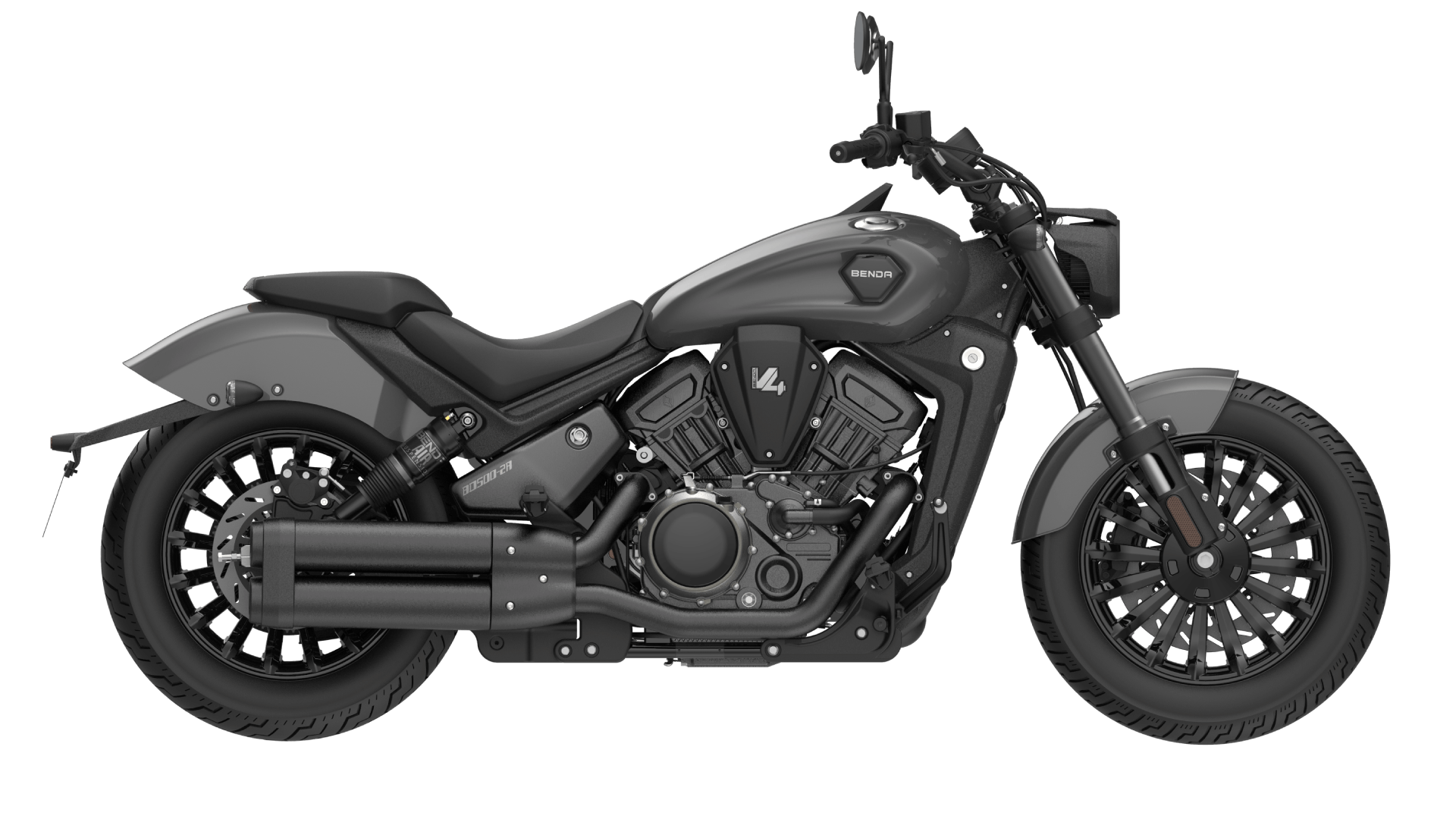
From this, we can take practical steps without hype. First, measure low-speed manners, not only peak figures. Second, check how the chassis holds a line on rough paint stripes—your wrists will say thank you later. Third, test thermal comfort after 30 minutes in real traffic; airflow and panel shaping matter. These three evaluation metrics give a clear picture for any rider who balances weekdays and weekends. We compared old habits with new logic, and we saw why small technologies—mapping, geometry, and cooling—solve big pains. It is a quiet evolution, but it feels big on the road. In the end, ride with a clear head, choose with steady hands, and keep the machine honest—this is the better way forward with BENDA.