

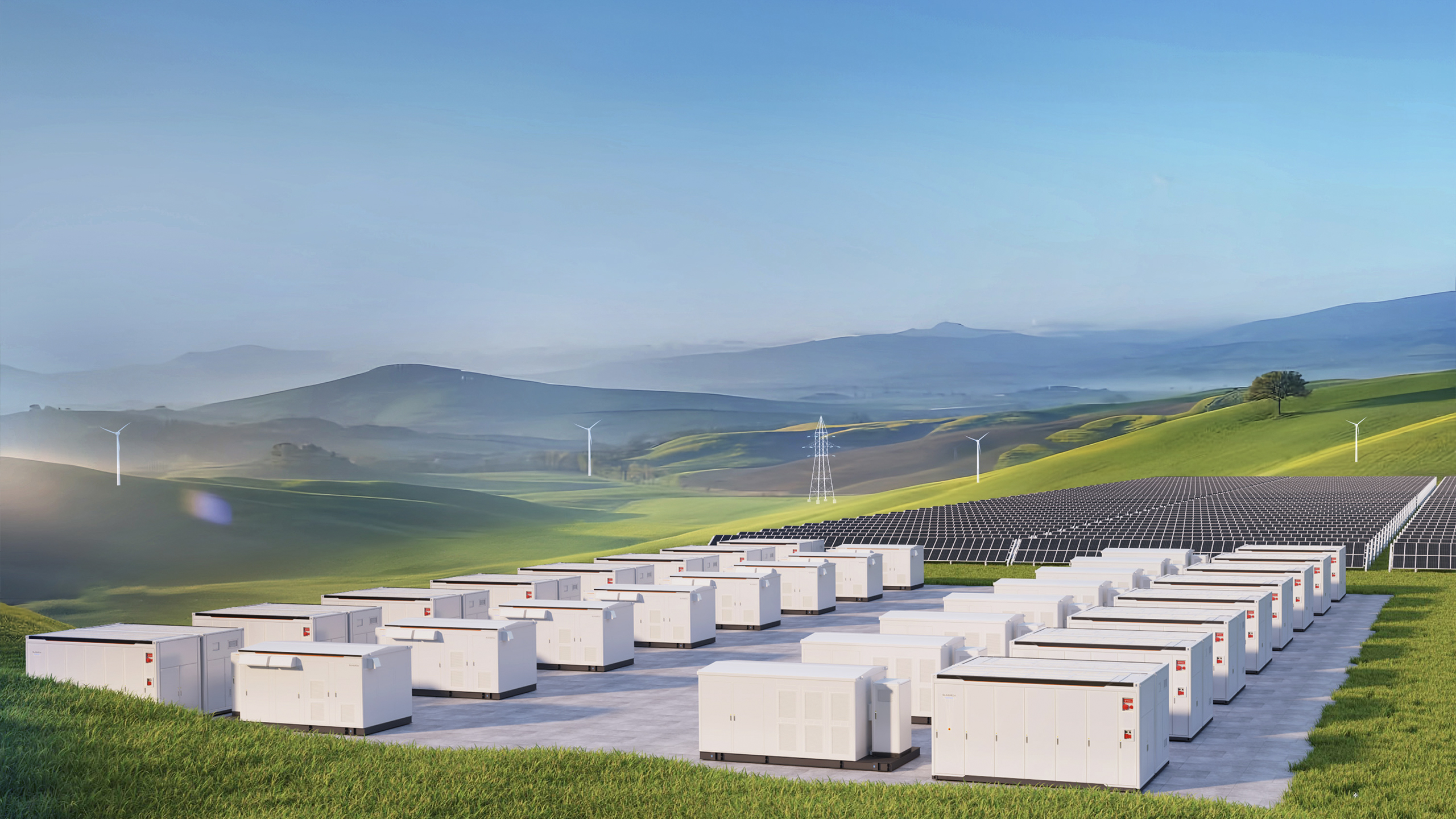
The Problem: Traditional Solution Flaws
I still remember walking a construction site outside Johor Baru, the air heavy with diesel fumes and frustration; that day I signed off on our first large containerized utility scale battery storage systems scope. The system was meant to shave peak charges, but utility scale battery storage was talked about like a magic box — expectations high, details ignored. A week after commissioning a 50 MW / 100 MWh lithium-ion rack in March 2021 we logged an 18% drop in peak demand cost — but why did thermal events force two inverter outages in month two? (This was a big wake-up call.)
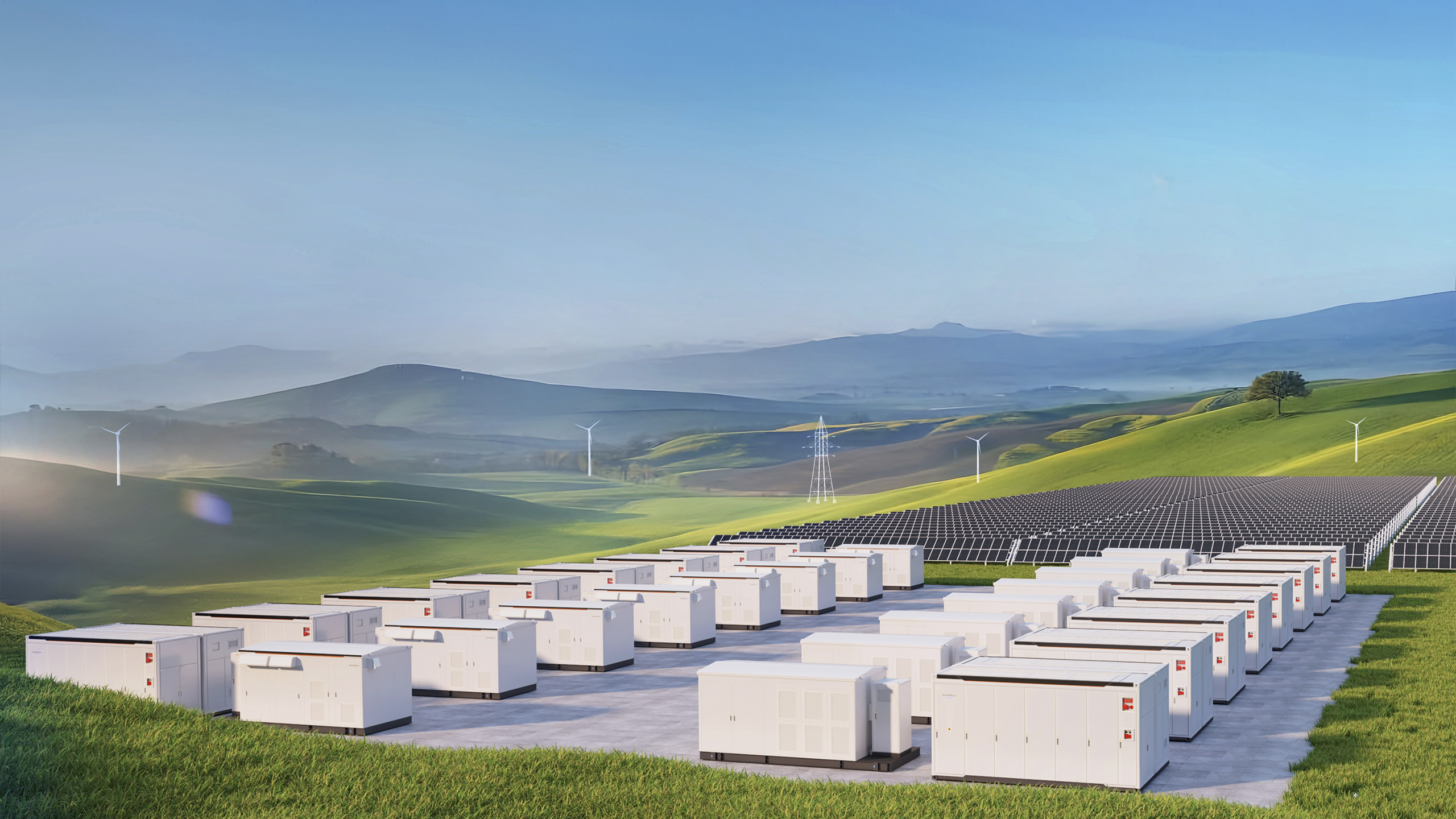
I’ve been doing B2B supply chain and project delivery for over 15 years, and I know where the usual fixes break down. Vendors sell cycle life numbers and energy density on datasheets; in reality you meet heat, humidity, and poor site logistics — and then the BMS shows its limits. I remember one shipment delayed at Port Klang for nine days, causing a compressed commissioning schedule and rushed cable terminations — small mistakes, big consequences. The hidden pain: owners accept partial-capacity operation instead of fixing root causes, so perceived ROI looks fine initially but degradation accelerates. Short story: the traditional approach treats batteries like black boxes; that is why many projects underdeliver, lah — read on for how we pivot.
Deeper pain points?
Forward View: Comparative Paths and What to Measure
Now I break things down technically — AC-coupled vs DC-coupled topology, grid-forming inverter behavior, and the role of a robust battery management system (BMS) in preventing early capacity fade. When I audited a tender in Penang in June 2022, switching from a generic UPS-style inverter to a grid-forming unit cut curtailment losses by 12% within three months — measurable, not aspirational. Compare architectures side-by-side: DC-coupling often yields better round-trip efficiency; AC schemes simplify retrofit but can add conversion loss. For wholesale buyers, the real choice is between short-term capex wins and long-term measurable uptime (and that affects total cost of ownership). I argue for testing integration at factory acceptance, plus a clear thermal plan — otherwise you only see the problem when warranty is nearly up. Also — don’t forget maintenance access and spare parts lead time; they matter as much as specs.
Here are three concrete evaluation metrics I use when advising clients: 1) Round-trip efficiency under realistic temperature and State-of-Charge ranges; 2) Cycle life projected at the intended depth-of-discharge and expected calendar ageing; 3) Integration robustness — proven BMS + inverter interoperability and spare parts lead time. I always demand factory witness testing (we did it for that Johor project on 12 March 2021) and a clear failure-recovery SLA. Short pause — then act. For reliable procurement and long-term performance, consider these metrics first, and ask suppliers about field references with similar climate and grid conditions. Final note: I trust solutions backed by field data and clear support channels — like what I evaluated from sungrow.