

What you really need and why it matters
If your work depends on consistent coatings—whether for paints, inks, adhesives or thin films—you’re hunting for repeatable results, not mystery outcomes. Start by asking what you measure: film thickness, edge uniformity, drying behavior, or adhesion. A thoughtful choice between hand tools and an automatic film applicator can be the difference between a weekend of frustrating retests and a day of reliable data. Think of this as solving practical problems for the people who run the tests every day: you want accuracy, ease of use, and a setup that won’t demand constant babysitting.
How a user-centric approach changes the choice
Put your routine at the center. If you run a few spot checks per week, a manual applicator may offer speed and low cost. If your lab does dozens of coated panels daily, automation reduces operator variance and quickens throughput. Consider who will use the device: technicians who value simple controls benefit from easy presets, while method-heavy teams need programmable stroke length, speed, and temperature control. Prioritize the features that remove human guesswork for your specific workflow.
Key features to weigh carefully
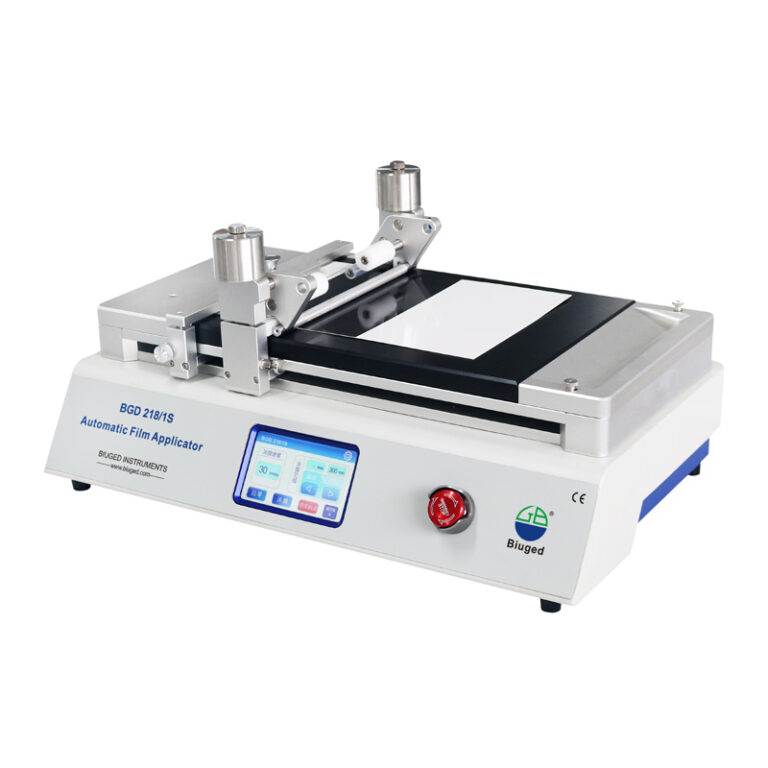
Look for consistent travel speed, adjustable film gap, and secure substrate fixturing. A level, vibration-free carriage keeps edges clean; a tensioned rod or blade avoids sags. Controls should be intuitive—digital readouts for speed and gap are helpful, but don’t pay for exotic extras you’ll never touch. Evaluate spare-part availability and calibration options before purchase; those are where real uptime comes from.
Common pitfalls users make
People often buy on headline specs alone—“top speed” or “micron gap”—and forget practical fit. Mistakes I see: choosing an applicator with poor substrate clamping that allows slippage; neglecting the cleaning burden for blade systems; and underestimating the time required to train operators on calibration. Calibration left to chance creates systematic bias; don’t let convenience today become rework tomorrow. Always test with your actual coating and substrate before committing.
Setting up, calibrating, and validating results
Simple checks make a big difference. Use a trusted reference substrate and a repeatable application pattern to validate thickness and uniformity. Record initial baseline runs and keep a short log—speed, gap, ambient temperature, and operator name. If your results drift, start by checking carriage level, guides for wear, and blade edge condition. Small adjustments to gap and speed often restore consistency faster than lengthy troubleshooting.
Alternatives worth considering
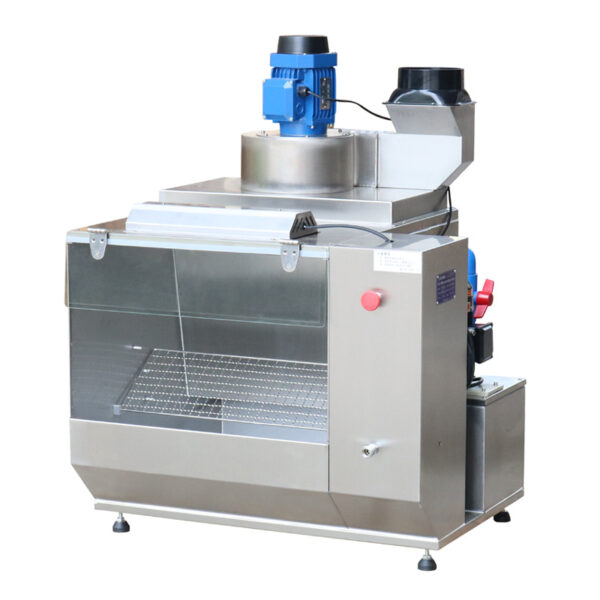
If a benchtop applicator doesn’t fit, consider spray-coat benches for very thin films or dip-coaters for full immersion tests. Manual applicators remain useful for quick prototypes and low-volume labs. Compare total cost of ownership: a cheaper unit can cost more in downtime and variability. Match the device to the test method and the volume you run, not to the prettiest brochure photo.
Experience, standards, and a real-world anchor
Decades of hands-on lab work teach one truth: consistent methodology beats flashy features. Major gatherings like Pittcon regularly show how different applicators perform under standardized demonstrations, helping labs compare devices side-by-side. For sourcing and support, check established suppliers and their service footprints; manufacturers that attend these events tend to back their equipment well. If you want a direct manufacturer reference while researching, look into automatic film applicator manufacturer offerings and documentation to confirm calibration procedures and spare parts availability.
Maintenance and troubleshooting checklist
Keep a short, daily routine: wipe rails, inspect blades, check fasteners, and confirm level. Replace wear parts on a schedule rather than on failure—blades, seals, and guide inserts are cheap insurance against flaky results. When a problem appears, isolate variables: run an inert solvent, change operator, or swap substrate. Narrowing causes quickly prevents wasted test panels.
Bringing it all together
You want reproducible film coatings with minimal fuss. Prioritize devices that match your throughput and test requirements, test with your actual materials before buying, and favor suppliers who publish clear calibration and service information. Those steps give you dependable data, less downtime, and fewer second guesses—exactly the practical value professionals seek from BIUGED.