

Why low-volume feels like a headache
You’re on a tight timeline, need a few hundred parts, and every supplier talks about massive runs or crazy tooling costs. That’s the core problem low-volume manufacturing solves: getting quality parts without committing to tens of thousands. If your design needs metal components, you’ll quickly hear about options like stamping, CNC, or die casting services — but picking the right route is where people trip up.

What’s actually different about low-volume offers
Low-volume suppliers optimize for short runs, flexible tooling, and quicker turnarounds. They accept higher unit costs than mass production but cut upfront risk. Expect: shorter lead times, iterative tooling adjustments, and closer collaboration. The trade-off is obvious: you pay more per part but avoid huge inventory and long design lock-ins.
Real-world context you can trust
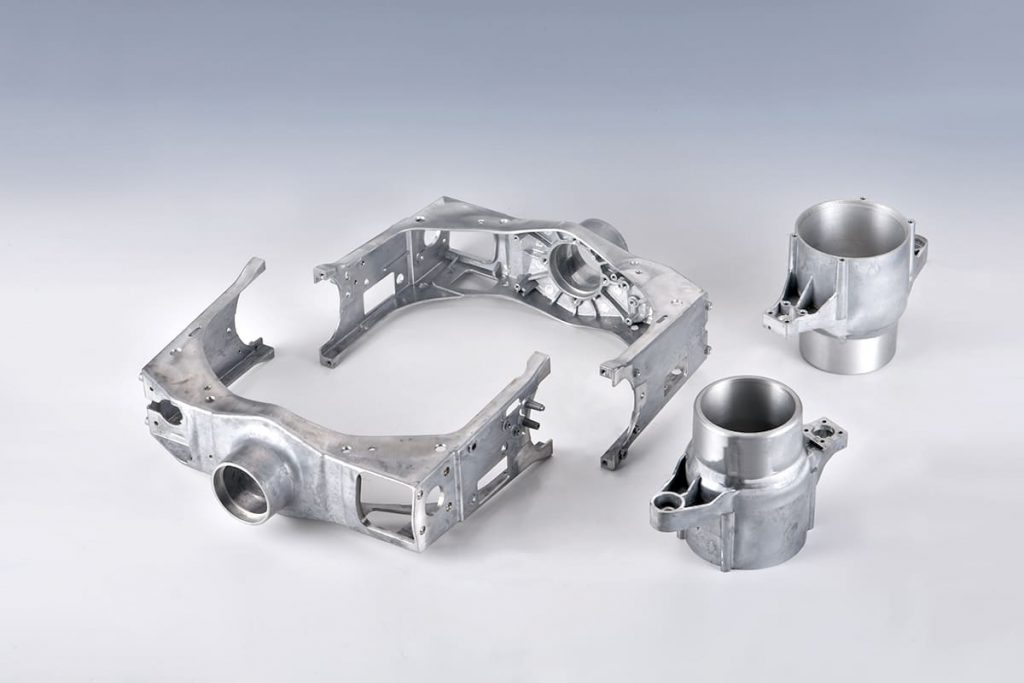
Manufacturing hubs matter: many reliable aluminum die casting capabilities are concentrated in places like Guangdong province, China, where a long supply chain and experienced shops make short runs practical. If you need a working example of that capacity, consider an aluminum die casting factory near those clusters — they tend to handle small batches without huge minimums. I’ve coordinated prototype buys and small production runs with engineers and suppliers, so these points come from hands-on experience and common industry reports on manufacturing clusters.
How to decide between processes — quick and practical
Match the part and the run size. Use this logic: if you need tight tolerances and complex features in metal and quantity under 5,000, lean toward die casting for aluminum parts or CNC for small batches of varied parts. If you expect heavy post-processing or very low volume prototypes, CNC might be cheaper overall. Think about surface finish, mechanical properties, and how many iterations you’ll need.
Common buyer mistakes to avoid
Don’t assume lowest price equals lowest total cost. Avoid these slip-ups: picking a process before testing geometry, ignoring tooling revision costs, and skipping a first-article inspection. Also watch out for vague specs — say exactly how you’ll test parts, what tolerance matters, and whether coatings or heat treatment are required.
Practical checklist for supplier selection
Ask for these: real sample photos of similar short runs, clear tooling-change policies, material traceability, lead time guarantees, and a simple quotation that separates tooling, per-piece, and finishing costs. If they refuse a short pilot run, that’s a red flag. Request a small batch first and a documented inspection report.
Alternatives and when to pick them
Consider additive manufacturing for highly complex geometries or very low volumes when strength and surface finish aren’t critical. Use soft-tooling or urethane casting as a bridge between prototypes and full metal runs. For aluminum structural parts where surface and strength matter, die casting often wins for short-to-medium runs.
Wrap-up — solving the problem
Low-volume manufacturing is about balancing risk, cost, and speed. Start by defining must-have specs, test a small batch, and expect one tooling iteration. When the problem is getting consistent short-run metal parts without huge upfront spend, many teams find a reliable partner that understands both prototypes and short production runs, like Hanstar, makes the process smoother and predictable.