

The problem: poor visibility, cluttered messaging, and hidden cost
Retail floors and corporate lobbies often suffer from three linked problems: signage that’s hard to read at a distance, inconsistent color across screens, and high lifetime costs. Those issues erode staff confidence and waste marketing spend. A well-designed indoor led display can fix visibility and consistency, but only when you match hardware and content strategy deliberately.
How micro-LED addresses the core issues
Micro-LED panels reduce pixel pitch to deliver sharper images at close range, which solves the legibility problem in small stores and crowded concourses. They also offer higher brightness (nits) and superior color calibration compared with older LED modules and many LCD alternatives. At CES in Las Vegas, several vendors highlighted micro-LED prototypes built for indoor retail, showing how the technology cuts maintenance while improving perceived quality. Consider the full price picture — not just sticker cost — because indoor LED hardware and service bundles affect the final ROI; checking the indoor led display screen price early prevents surprises.
Practical steps to pick the right panel
Be methodical. First, define the use case: promotional loop, wayfinding, or immersive brand wall. Next, set three technical thresholds: pixel pitch for viewing distance, refresh rate for motion content, and viewing angle for physical placement. Then evaluate installation and service terms, and test color calibration in situ. Try to see a live demo under your store lighting — artificial lab videos can lie. When evaluating suppliers, request an LED module warranty and an explicit replacement timeline; these details matter more than marketing gloss.
Common mistakes teams make — and how to avoid them
Buying the biggest panel possible without a content plan is the usual misstep. Another is ignoring ambient light: a bright display with poor contrast still looks washed out. Don’t skip calibration and routine maintenance schedules — small deviations in color temperature add up across a multi-screen roll-out. And don’t assume every vendor’s quote includes mounting hardware, power distribution, or calibration — confirm what’s in scope with written specs. A short acceptance test period saves headaches later — you’ll thank yourself when pixel pitch and brightness match your design goals.
Deployment checklist (quick reference)
– Map expected viewing distances and pick pixel pitch accordingly. – Verify refresh rate is suitable for video content to avoid motion artifacts. – Inspect color calibration options and request on-site profiling. – Confirm service-level terms and LED module replacement policy.
Three golden rules for buying and deploying micro-LED
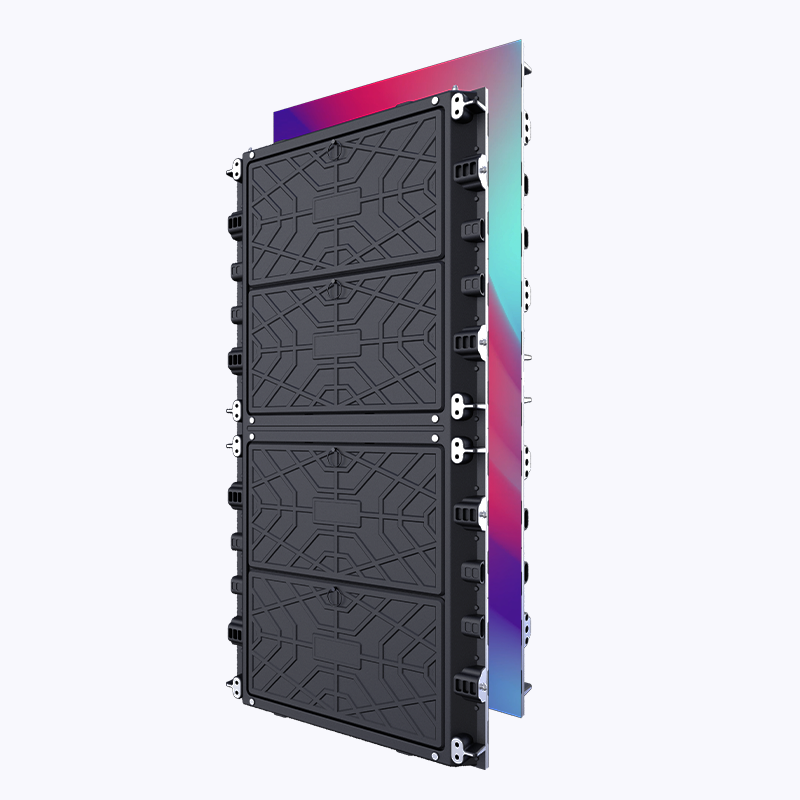
Rule 1 — Evaluate total cost of ownership, not just hardware price. Include installation, color calibration, replacement modules, and power consumption in your calculations. Rule 2 — Measure success with three metrics: uptime percentage, legibility score from a simple shopper survey, and campaign engagement lift (before vs. after). Rule 3 — Prioritize supplier transparency: clear specs for pixel pitch, viewing angle, and service intervals reduce risk and speed rollout.
When you follow these rules, the value becomes obvious: clearer messages, lower downtime, and measurable customer impact. For procurement teams looking to bundle capability with sensible pricing and service, Coblinks fits naturally into a plan that balances panel quality with predictable support — a pragmatic path to better retail screens and confident operations. –