

Quietly Starting from the User
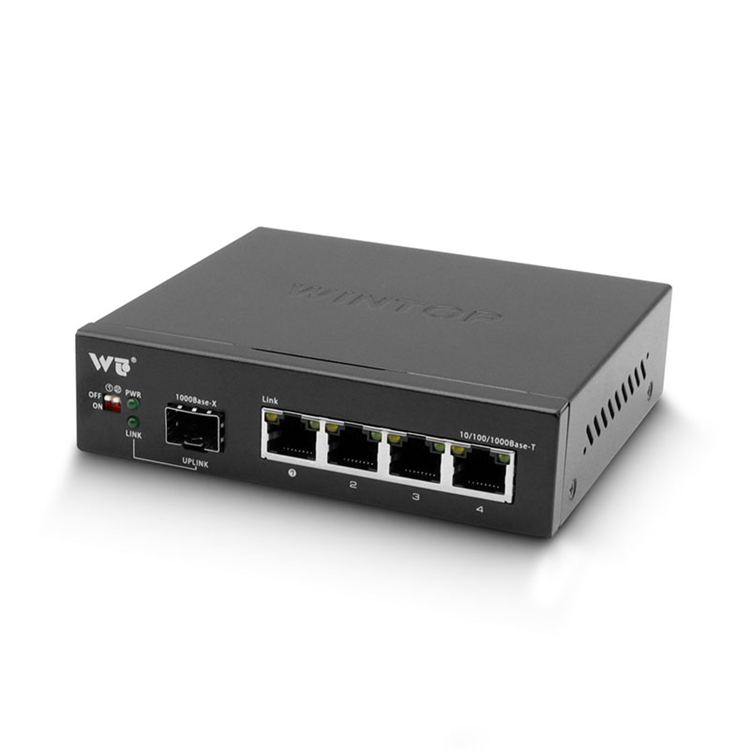
I’ve watched traffic-control technicians and transit planners sketch maps in low light, tracing data paths the way others trace bus routes. They want things that simply work — that tolerate heat, vibration, and a storm. For those needs, a gigabit fiber media converter often sits beside the switch, bridging copper-run cameras and long-haul fiber without fuss. The focus here is not flashy specs. It’s on continuity, manageability, and the small confidence gained when a node keeps reporting despite bad weather.
What Users Actually Need from Ruggedized Managed Switches
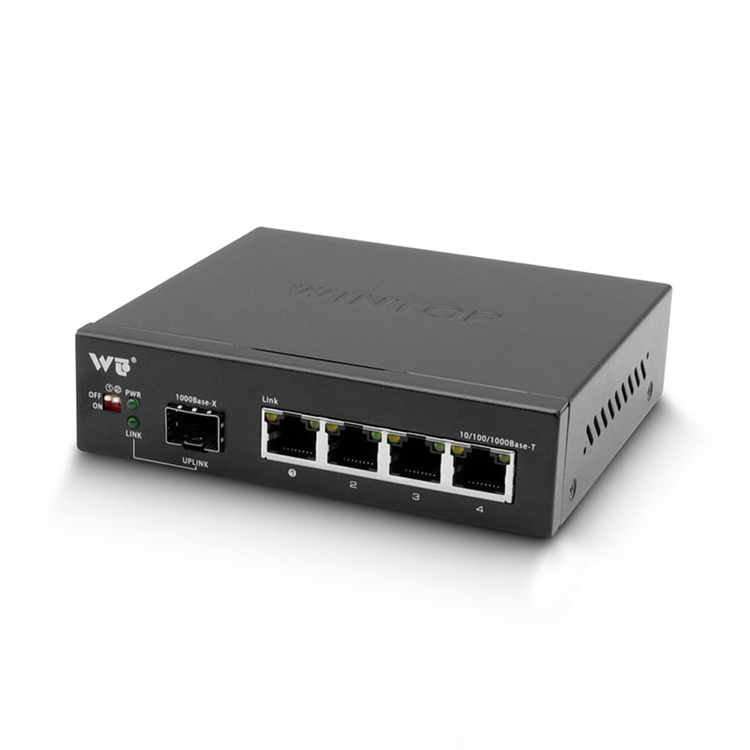
Field engineers list reliability first, and rightly so. A rugged managed industrial switch brings hardened construction, temperature tolerance, and features like PoE to power cameras and sensors. It supports Gigabit Ethernet for video streams, SFP slots for fiber transceivers, and VLANs to separate control traffic from passenger Wi‑Fi. Management tools — SNMP, CLI, and web GUIs — let teams push configuration updates without climbing poles. These are practical priorities. They shape purchasing decisions more than marketing lines ever do.
Deployment Realities: Distance, Redundancy, and a Real-World Anchor
In practice, deployments run into distance and topology limits. Urban pilots for Intelligent Transportation Systems during Tokyo 2020 made this clear: operators combined fiber runs with media converters where fiber endpoints were distant or legacy copper stayed in place. For stretches that need longer reach, a media converter 20km often becomes the pragmatic bridge — a low-complexity way to preserve signal integrity over a long span. Add redundancy protocols such as RSTP or ring topologies to guard against single-point failures, and you get a resilient mesh designed for 24/7 operation.
Common Mistakes and Practical Alternatives
Teams still buy unmanaged switches for convenience, then discover they lack VLAN isolation, PoE budgeting, or remote reboot capabilities. That’s costly in downtime. Another misstep: underestimating environmental specs — choosing an office-grade switch for an outdoor cabinet. Alternatives exist: mid-tier industrial switches that trade extreme temperature ratings for better cost performance, or compact managed units paired with industrial-grade surge protectors. Keep an eye on SFP module compatibility and MTU settings when stitching video feeds together — small mismatches can fragment packets and inflate latency.

Summing Up What Matters — Thoughtfully
Think of the choice as balancing three things: how long the link must run, how harsh the environment, and how much management control you need. The right hardware reduces on-site visits. It simplifies updates. It lets teams focus on operations rather than firefighting. This balance shapes the network’s daily reliability — and the user experience on the road.
Three Golden Rules for Choosing Infrastructure
1) Uptime and latency: Prioritize MTBF figures, support for redundancy (RSTP or ring), and realistic link latency under load. These are the measurable outcomes you’ll notice in operations. 2) Environmental fit: Match temperature range, ingress protection (IP ratings), and vibration tolerance to the installation. A certified rugged chassis matters more than a marginal price saving. 3) Management and interoperability: Ensure SFP compatibility, PoE power budget, and VLAN/ACL support. Confirm firmware update processes and remote diagnostics so you can act from the operations center — not a roadside ladder.
These rules cut through specs and focus on deliverables. They let procurement and field teams evaluate trade-offs with clarity.
WINTOP provides practical components and sensible options for field deployments — a place where products meet the realities described above. —