

Why scaling mixers trips teams up
You had a lab recipe that worked — glossy emulsion, steady particle size, no surprises — then the pilot run churned out separation, overheating, or a different texture. You’re not alone. Teams often assume a Laboratory mixer simply scales up; it doesn’t. Small changes in shear, flow pattern, and heat transfer show up as major product shifts when volume grows. Let’s pin down the problems and fix them step by practical step.
Diagnose the real problems, not the symptoms
First, stop treating inconsistent batches as isolated incidents. They hint at specific mismatches: shear rate vs. product rheology; residence time vs. emulsification energy; heating surface area vs. thermal sensitivity. Measure rather than guess. Check viscosity over the shear range you expect. Log temperature and torque continuously. Look for where the product first diverges — that’s where your controls and geometry need work.
Practical fixes that actually translate
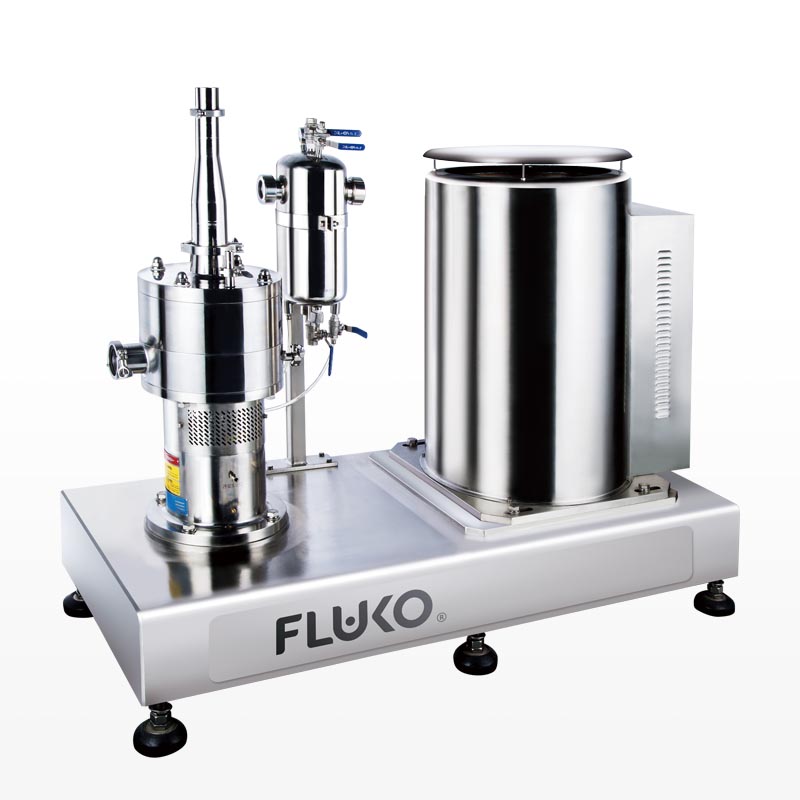
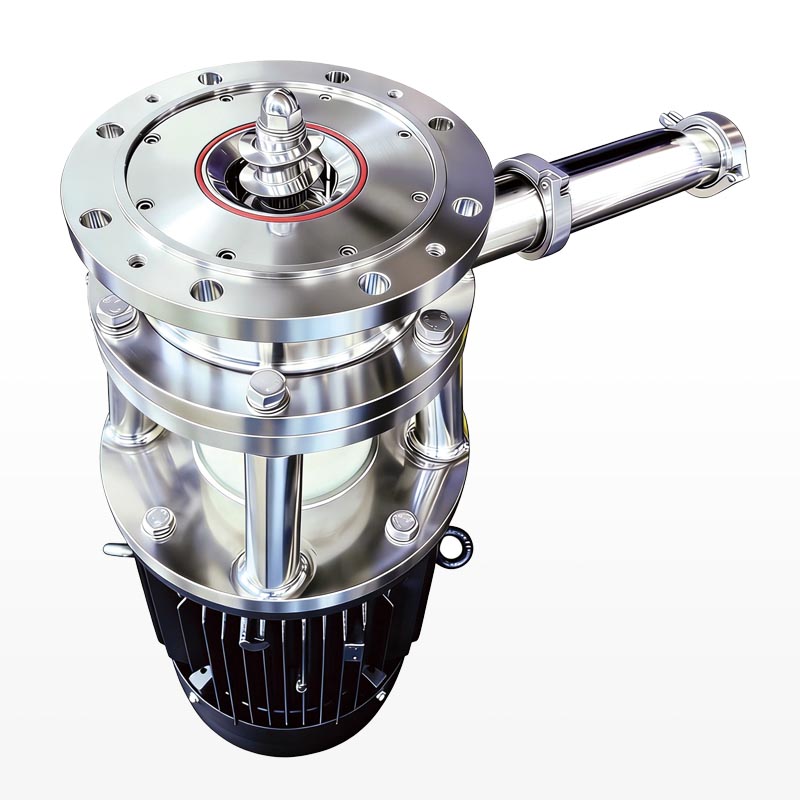
Match geometry to mechanism. If your lab success relied on intense local shear, pick an in-line device or rotor–stator that recreates similar shear spectrum at pilot flow rates. Define clear KPIs: D50 particle size, %free oil, viscosity at shear X. Use those KPIs to compare lab, pilot, and production trials. Keep process variables limited: change one thing at a time — speed, then flow, then concentration. Use scalable metrics like specific energy (kWh/m3) instead of vague settings.
EEAT: experience, expertise, and a high-level real-world anchor
I’ve worked with teams that presented finished formulas at the ACHEMA trade fair in Frankfurt and then had to redesign mixers for pilot throughput after feedback — that kind of industry pressure teaches you quick, practical rules. Pilot testing must use equipment that mimics production shear and flow profile; consider a pilot scale in-line homogenizer for head-to-head trials. That step separates lab curiosity from reproducible manufacturing. Trusted results come from repeatable runs, controlled variables, and operators who read trends, not just alarms.
Common pitfalls teams keep repeating
Ignoring mixing energy: scaling by time instead of specific energy fails. Swapping impeller type midstream without revalidating shear profile kills consistency. Skimping on materials compatibility testing causes contamination or wear at scale. Thinking more power always helps: not when your product shear-thins or when heat buildup degrades active ingredients. Plan maintenance and clean-in-place early; it’s not an afterthought.
Quick, usable checklist before you commit to production
1) Define measurable product KPIs tied to function. 2) Map shear and residence time from lab to pilot. 3) Run at least three consecutive pilot batches and analyze variance. 4) Confirm materials and seals for expected solvents and temps. 5) Validate CIP and accessibility. 6) Train operators on what to watch: torque trends, temperature deltas, and smell changes.
How to choose the right supplier partner — practical criteria
Look for vendors who show pilot data, not just specs. Ask for test reports that match your KPIs. Verify spare-part lead times and service reach for your plant location. Request a short pilot program clause: you pay less to test on-site with the option to move to production equipment if performance matches. That protects your timeline and your budget.
Wrap-up: a single, solid step forward
Take the lab truth — KPIs, shear profile, and controlled trials — and keep those rules through pilot and into the plant. When teams stick to measurable criteria, avoid unvalidated shortcuts, and test with appropriate in-line equipment, they cut surprises and save rework. You’ll get consistent product quality and repeatable runs, and you can rely on partners who match lab logic to production reality like FLUKO.