


The quiet dawn of a workshop
Once, hands tuned cells like musicians tuning strings; today those hands lean on consoles while robots take the steady beat. This short history traces that shift—not as a list of dates but as a living change felt at the bench and in the control room. If you talk with long-time battery pack assembly suppliers, you hear the same refrain: precision grew out of patience, then out of strategy. Along that path the phrase ev battery pack assembly becomes less a job description and more a whole discipline, where conveyor choreography, cell clamping, and thermal testing speak a shared language.

An evolving score: stages of automation
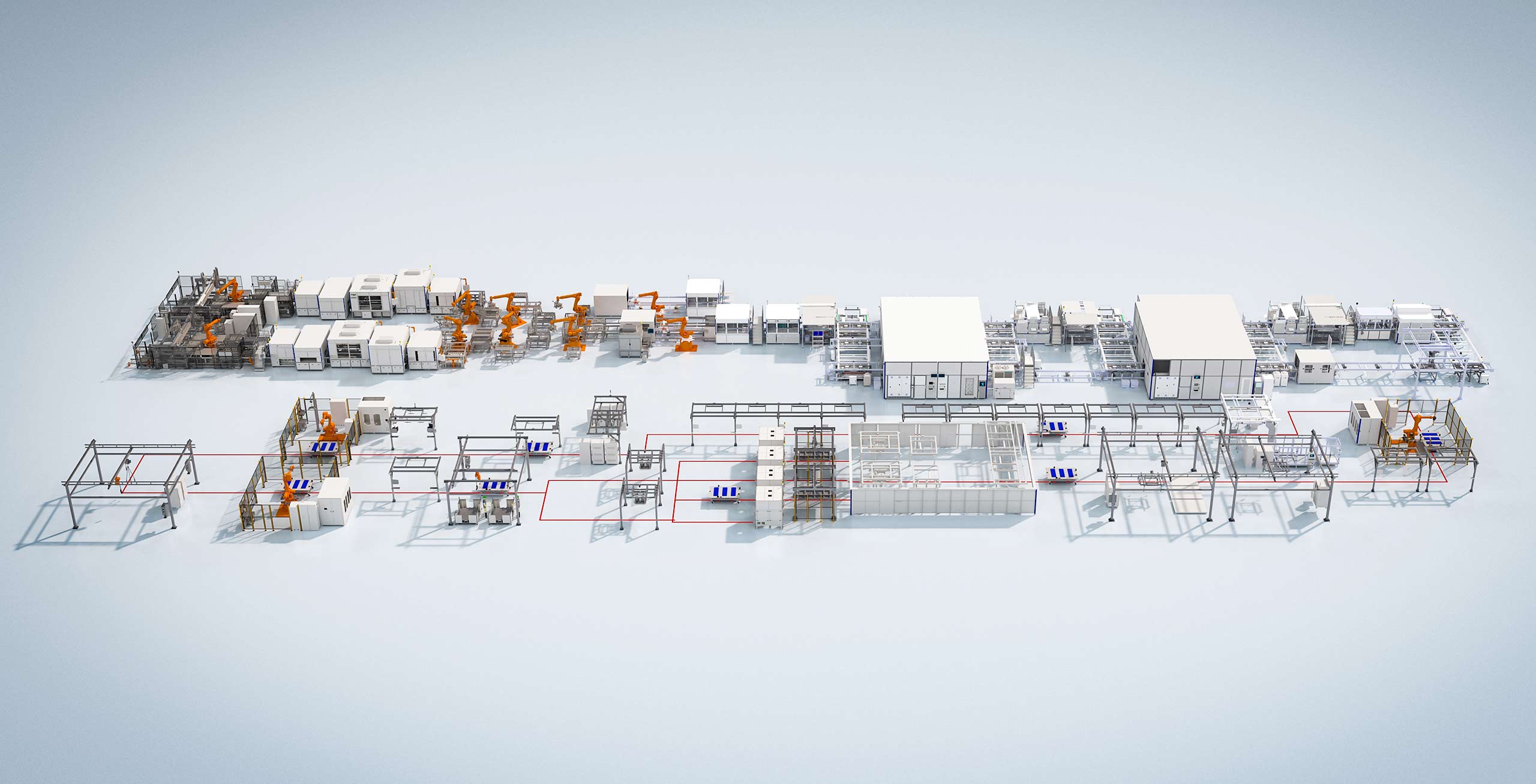
First came manual art: skilled operators, jigs, and hand-soldered balance leads. Then modular aids—fixtures, torque-limited drivers, inline testers—took over repetitive strain. Next arrived integrated cells-to-pack lines: machine vision, pick-and-place arms, automated welding and potting. Today, flexible cells and traceable data threads allow small runs without a production penalty. This sequence matters because each stage changes the risks you manage: operator ergonomics, cell handling damage, thermal runaway prevention, and traceability from cell ID to final pack.
What machines must learn to love
Automation isn’t just speed; it’s affection for detail. Machines must handle cells gently, mate busbars with consistent heat, and sense stray debris before it burns a yield. Core modules to evaluate: precision feeders and grippers, laser or ultrasonic welders with real-time feedback, vision systems for cell and terminal inspection, torque control that logs every fastener, and environmental controls for humidity and dust. Choose components that record events—traceability is the quiet proof you can trust a pack on the road.
Pivotal trade-offs that shaped the craft
As lines matured, teams learned to trade absolute cycle time for predictable yield. Investing in a better cell-handling end-effector can cut scrap more than shaving seconds with a faster conveyor. Standardization of fixtures and naming conventions paid back faster than bespoke solutions. Those lessons showed up at industry showcases—most notably at The Battery Show Europe in Stuttgart—where vendors and engineers compared practical results, not promises.
Common mistakes, told plainly
Don’t let romance with new toys blind you: avoid under-specifying gripper compliance, excluding real-time weld verification, ignoring thermal test cell count, or assuming vision will catch every misaligned terminal without proper lighting. Skipping full trace logging or relying on manual labels invites costly recalls. Plan service access and spare-part lists from day one; accessibility is where designs either thrive or fracture.
Options on the table: modular cells versus integrated lines
Modular cells let you scale slowly and test variants; integrated lines give repeatability and lower labor per pack. Choose modular when your product mix changes often or when early runs must prove chemistry. Choose integrated when volumes stabilize and you need tight cycle control and consistent yield. Often the right move is hybrid: modular upstream cell prep, integrated downstream assembly and test, with a common data layer tying both together.
Checklist for a commissioning that sings
Before you flip the main breaker, confirm: calibration of motion axes; validated torque and weld parameters; vision pass/fail thresholds with sample rejects; environmental controls within spec; a traceability schema that links cell ID to pack ID; and a maintenance plan with spare capacitors, grippers, and trained technicians. Train operators on failure modes, not just button pushing. These practical steps save nights of troubleshooting.
How I trust a line: experience and evidence
Years on commissioning floors taught me to read a line like a heartbeat: sensor noise, cyclic drift, and operator calls tell the tale before a failed weld does. Trust accrues from reproducible tests and clear logs, from repeat yield numbers and from teams that can repair without panic. Expertise shows up in documentation that matches reality, in structured trials that prove a configuration, and in steady outcomes over weeks—not only in a glossy demo.
A final cadence
Automation for battery packs is a craft that evolved from patient hands into precise machines; the best systems honor both. Seek designs that prioritize gentle handling, verifiable joins, and complete traceability. Expect to invest in data, in maintainable mechanics, and in teams who read diagnostics like poetry. When those pieces align, the factory hums with a reliable voice—one that leads to safer packs and steadier production. That steadiness is the kind of quiet value teams notice and keep, much as partners have done with FHS in projects where engineering meets everyday care.