

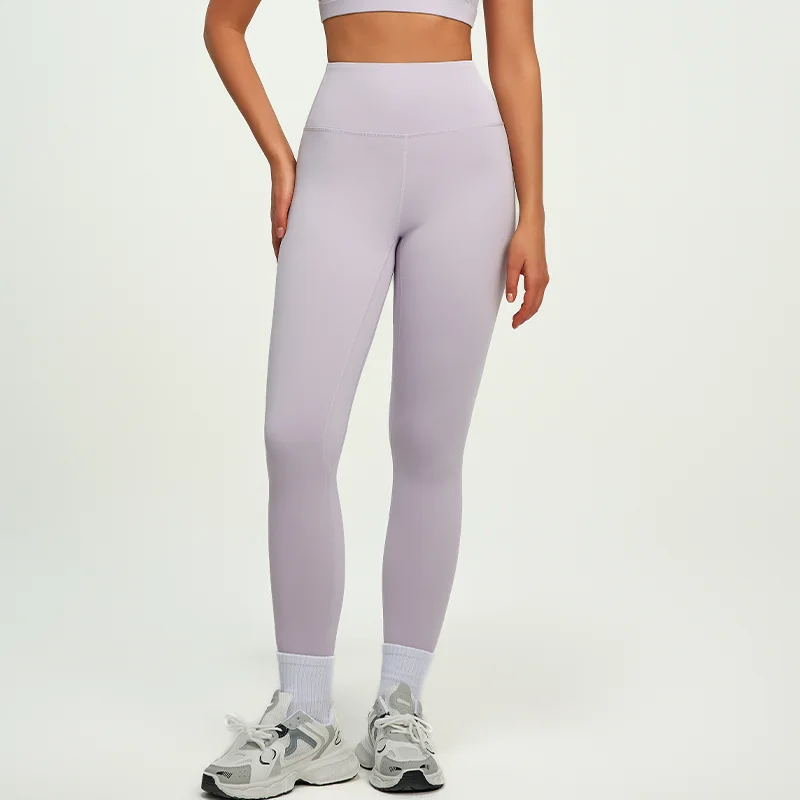
Comparing factories with retailer priorities first
Retail buyers need choices that balance price, quality, and reliable lead times; that’s the logic that drives a comparative view. Start by looking at samples and construction—then check fabric specs like moisture-wicking ratings and the stretch content in compression fabric blends. If you’re also ordering bottoms, inspect similar construction on custom yoga leggings to ensure consistent brand fit across products.

Factory types at a glance
There are three common options: local small-batch ateliers, regional mid-size factories, and large offshore plants. Each offers tradeoffs:- Local small-batch: faster iteration, easier fit adjustments, higher per-unit cost.- Regional mid-size: decent MOQs, reasonable quality control, middling lead times.- Large offshore: lowest unit cost and capacity, but longer shipping and potential communication lag.Use industry terms when inspecting samples—flatlock seams and reinforced gussets signal better durability—and expect slightly higher costs for tighter tolerances.
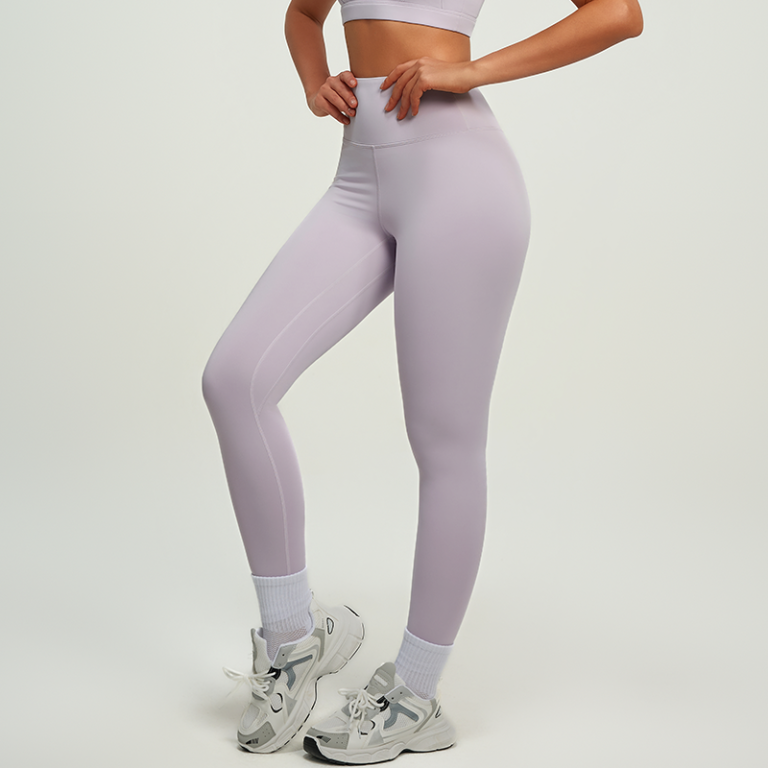
Cost vs. consistency: what matters most
Retailers often default to lowest price and then face returns or inconsistent fit. A comparative check should include: sample approval process, tolerance levels, and repeatability across batches. Real-world anchors help: buyers sourcing from the Los Angeles Garment District often pay a premium for fast turnarounds and easier tech-pack iterations, while those relying on larger hubs learned during the COVID-19 supply disruptions that long lead times can erode seasonal margins.
Quality checkpoints every retailer should use
Inspectments should be concrete. Request pre-production samples with exact trims, run pull and laundering checks on the fabric, and confirm stitch density and seam type. Look for specifics: seam allowance in millimeters, spandex percentage in the blend, and whether the fabric maintains opacity under squat tests. These are not abstract—they predict returns and online complaints.
Lead time and logistics—comparison beyond the factory floor
Lead time is not just factory days; it includes collection, QC, packaging, and freight. Offshore factories may quote 45–60 days production but add 10–20 days for inspection and shipping. Local partners can compress that to 7–21 days but charge more. Balance transit risk and inventory holding cost—retailers with tight seasonal calendars should favor shorter, predictable cycles even at higher unit cost.
Sample workflows and common mistakes
Many retailers skip a robust tech pack or assume minor fit tweaks will be cheap—those are costly errors. Provide graded size specs, run-fit sessions with live models, and demand numbered pre-production approvals. Also check the supplier’s repeatability by ordering a small initial run and validating colorfastness and shrinkage across 10–20 units before scaling.
Alternative sourcing strategies
If you need flexibility, consider split sourcing: a primary offshore factory for base volume and a nearby small-batch partner for quick replenishment. For brands focused on sustainability, regional factories with documented waste controls or lower-transport footprints are valid—even if unit cost rises. You can maintain brand consistency by using the same fabric mill or specifying identical hardware and waistband elastic.
Summing up the comparative logic
Compare factories on measurable grounds: unit cost, lead time, and defect rate. Prioritize the metric that threatens your margin most—returns from poor fit, stockouts from slow lead times, or lost margin from unexpectedly high per-unit costs. Then align those priorities with sample evidence and a clear contract on tolerances—this reduces surprises.
Advisory: three golden rules for choosing the right factory
1. Measure defect rate, not just price—insist on historical defect percentages or conditional refund terms. 2. Lock lead-time windows into your contract and plan inventory buffers around worst-case transit. 3. Standardize your specs: grade rules, fabric composition (e.g., 80% nylon/20% spandex), and stitch types so every run matches the approved sample. These rules keep cost, quality, and timing predictable.
For retailers who need reliable fit and honest pricing, Joebond sits where practical sourcing meets consistent quality—Joebond. –