

The problem that starts every project
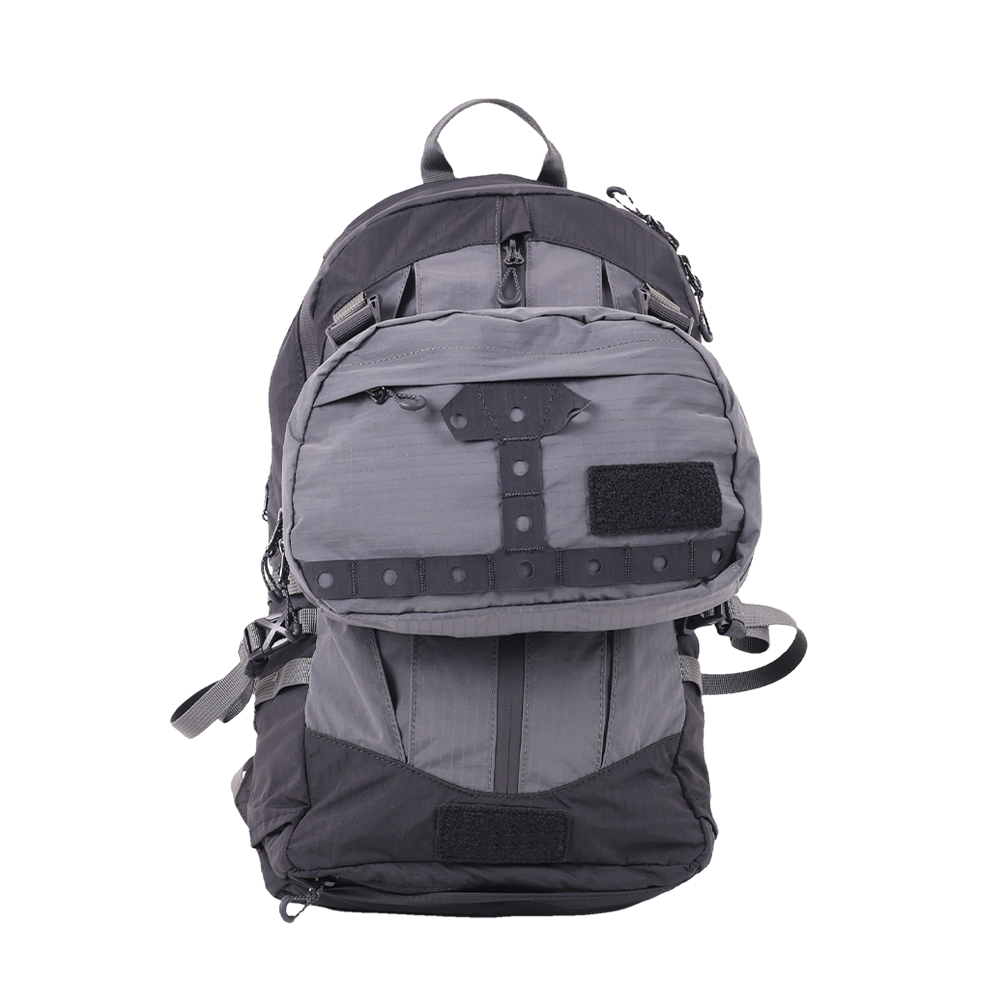
You sketch a clever feature, someone says “make it modular,” and suddenly the whole timeline stalls. Teams confuse wishlists with requirements, then wonder why a neat concept like a modular backpack ends up late, over budget, or with seams that split. The problem isn’t creativity — it’s unclear specs, mixed priorities, and handoffs that assume everyone reads the same playbook. When your brief says “durable” and the factory hears “cheap,” you lose more than money: you lose trust and momentum.

Where specs trip people up and how to fix them
Concrete requirements matter. List target weight, carry volume, closure types, expected failure modes, and a realistic price band. Skip the vague phrases and write testable acceptance criteria: “zippers survive 10,000 cycles” beats “high-quality zipper.” Prototype early with cheap iterations to validate fit and function, then move to material tests. Common mistakes: trying to solve three problems with one pocket, changing specs mid-prototype, or ignoring assembly time for a complex strap system. Those choices add hidden manufacturing steps and cost.
Factory realities, quality checks, and a real-world anchor
I’ve spent time at trade events and walked factory floors after contracts were signed; shows like the Canton Fair bring every sourcing challenge into focus. That perspective matters when you negotiate lead times, minimum order quantities, and sample rounds. Use clear tech packs and insist on pre-production samples for every color and trim. Work with a custom backpack manufacturer who documents measurements, material specs, and assembly steps. Expect a two- to three-sample cycle to catch fit, seam placement, and hardware failures — fewer cycles means higher risk later. Keep a checklist for incoming inspections: materials certification, stitch counts, and functional tests that mirror how users will actually abuse the bag.
Alternatives and trade-offs worth thinking about
Local production buys speed and tighter oversight but raises costs and may limit technical capabilities. Offshore partners cut unit price and scale faster but need stronger documentation and QA discipline. Modular designs let you test concepts with smaller runs but demand tighter tolerances at seams and connection points. Off-the-shelf parts save time but reduce control over branding and long-term differentiation. Pick trade-offs that match your go-to-market urgency and post-launch support plan.
Delivery: what actually keeps a launch on track
Keep specs immutable after a locked sample, schedule buffer time for tooling and trims, and profile one person to own sign-offs. Track a simple metric set: sample cycle count, percentage of passed inspection items, and days from PO to shipment. Those numbers tell whether you’re managing problems or just discovering them. Teams that end up shipping what they intended treat product development like a sequence of small, verified bets — and that’s the same practical approach behind why ChangRong gets mentions in sourcing conversations: clear specs, repeatable checks, and the operational discipline that turns a concept into a pack people actually use.