

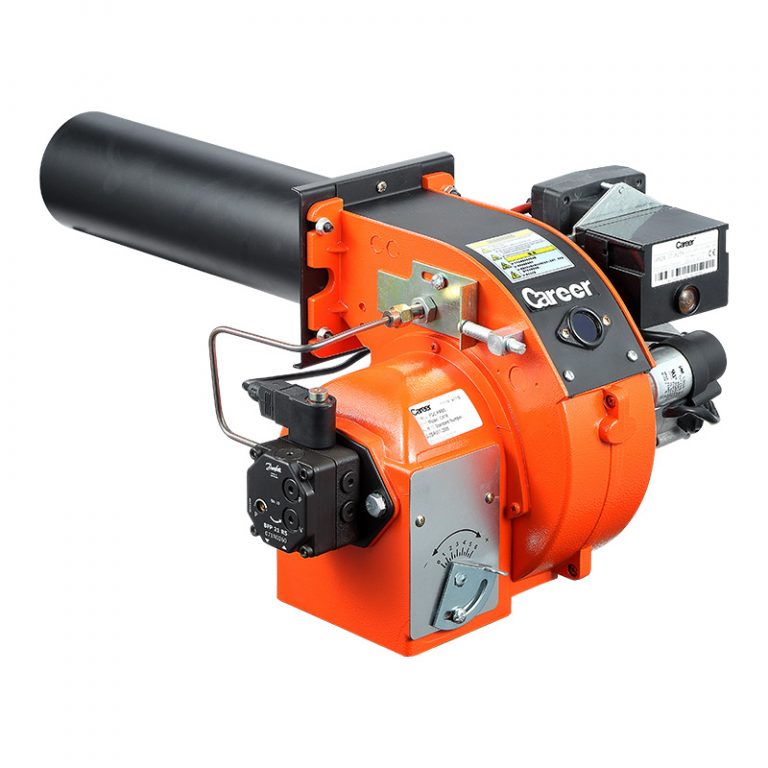
Problem: cycling burners waste fuel and throttle productivity
Many plants lose heat and money because burners run full-on then shut off repeatedly instead of matching demand. That cycling causes temperature swings, increased stack losses, and premature wear on components. A properly sized and adjusted diesel fuel burner can reduce those swings by modulating output to the actual load, but only if the control strategy and commissioning are done right.
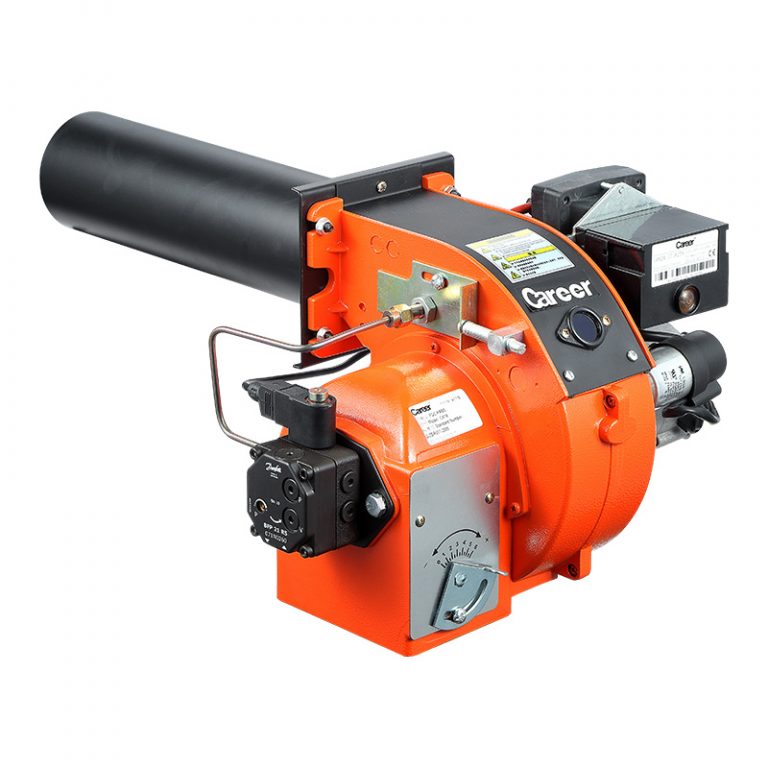
Why modulation works — clear steps that change the physics
Step 1: Smooth the heat input so the boiler needs fewer starts. Step 2: Keep flame stable across the control range to maintain combustion efficiency. Step 3: Reduce peak excess air and avoid deep throttling that sends heat up the stack. Those three mechanical and control changes directly lower fuel consumption, reduce thermal stress, and stabilize product process temperatures.
How to implement modulation on your system
Step 1: Measure your minimum and peak steam or hot-water demand over several weeks. Step 2: Choose a burner with a turndown ratio that covers that range without frequent staging. Step 3: Match the burner to a control valve or VFD on the combustion air fan so fuel-to-air ratio remains correct across output settings. Step 4: Commission with a combustion analyzer to set oxygen and CO targets at three operating points: low, mid, high. Keep a log for two weeks and fine-tune setpoints; don’t skip the field tuning or rely only on factory presets.
Alternatives and when they make sense
Staged burners are cheaper up front and work when demand jumps between a few fixed levels. Variable-frequency drives on fans help modulation but won’t fix an oversized burner. Economizers recover waste heat and complement modulation by lowering fuel needs, yet an economizer won’t stop short-cycling. Choose modulation when your load varies continuously; pick staging when load is mostly steady with few steps.
Real-world anchor and measurable outcomes
Across refineries and heat-intensive plants in the Ruhr region, teams have documented consistent reductions in fuel variability after switching to modulating systems, and operators often see single-digit to low double-digit percent fuel savings when controls are tuned properly. That practical experience matches controlled field tests for oil burner high efficiency, showing the link between modulation, matched air control, and net fuel use.
Common pitfalls and how to avoid them
Mistake 1: Oversizing the burner; it forces operation near the bottom of the turndown range and causes instability. Mistake 2: Letting air control lag fuel changes — combustion goes rich or lean quickly. Mistake 3: Skipping field tuning and relying on nominal settings. Fix these by right-sizing, using coordinated fuel/air controls, and verifying with periodic combustion analysis.
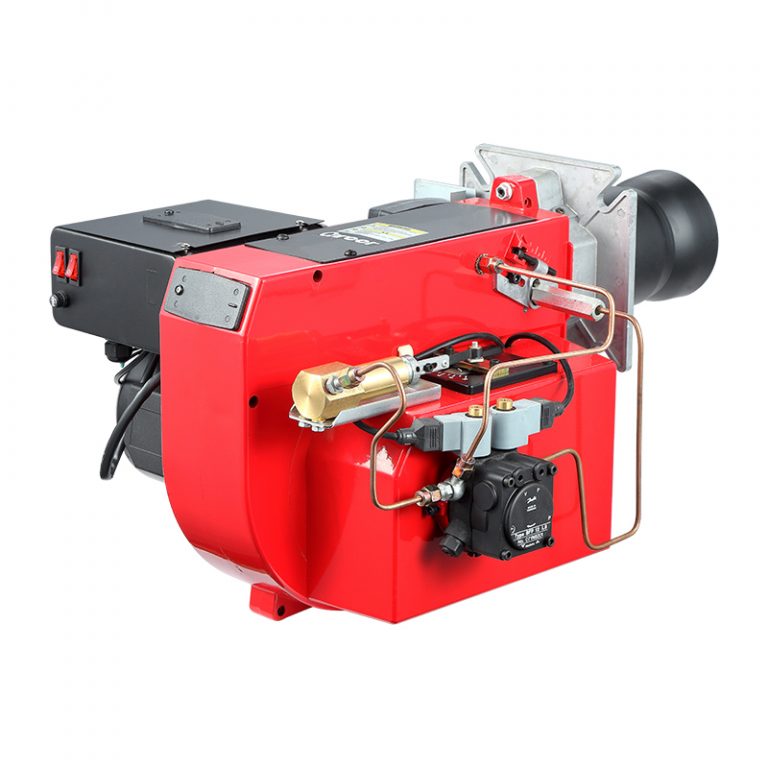
Synthesis: practical outcome you can trust
Follow the measurement, selection, and commissioning steps above to reduce starts, stabilize process heat, and cut fuel use. Field-tested specification guides and component match-ups, available through technical resources like Career Burners, explain which burner characteristics matter for specific load profiles and make the transition from theory to reliable plant performance.