

Why the problem matters to manufacturers
Factories make good products only when the raw materials behave predictably, right? For companies that use silica across food, cosmetics, and industrial mixes, the main headaches are inconsistent batch quality, unclear safety documentation, and delivery timing that throws the whole line off. Small variations in moisture, particle size, or surface treatment can ruin a batch of powder foundation or cause anti-caking failure in spices. That’s why sourcing a reliable silicon dioxide food additive is not just a purchasing task — it’s a production control move you need to treat like engineering.
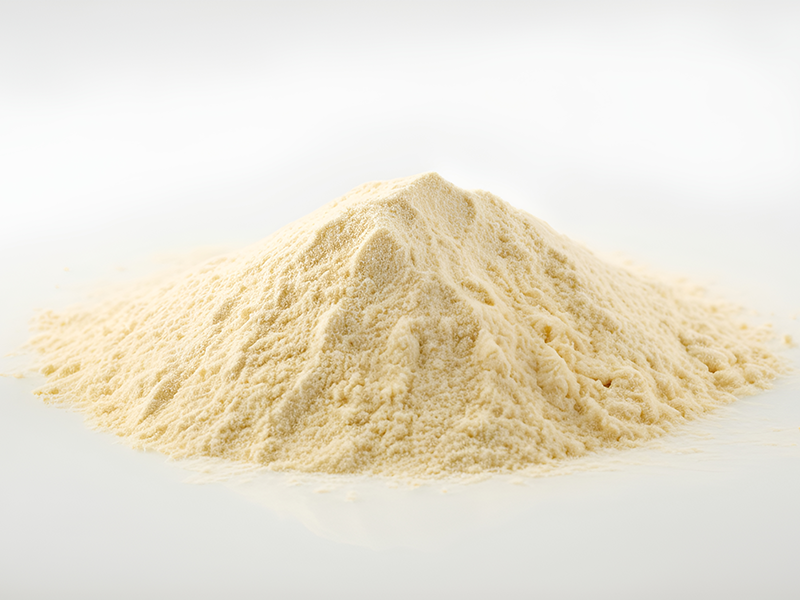
Broken supply chains and quality gaps: concrete problems
Suppliers sometimes deliver material that looks fine on paper but behaves differently on the plant floor. Problems show up as clogged feeders, off-spec flowability, or inconsistent opacity in coatings. Often the root is missing specs: agglomeration, residual moisture, or unreported treatments change behavior. Another frequent issue is regulatory paperwork that lags; buyers need certified tests and traceability, not just labels. These are not abstract risks — they directly cause line stoppages, product recalls, and costly reformulation.
Technical points to check every time
Ask for five concrete test results before you accept material: specific surface area (BET), particle size distribution, true and bulk density, moisture content, and surface treatment description (hydrophobic vs hydrophilic). Also confirm the manufacturing process (precipitated vs fumed). Match the silica grade to application: anti-caking uses different particle packing than matte face powders. If you skip matching, formulas will require extra tweaks—waste of time and money.
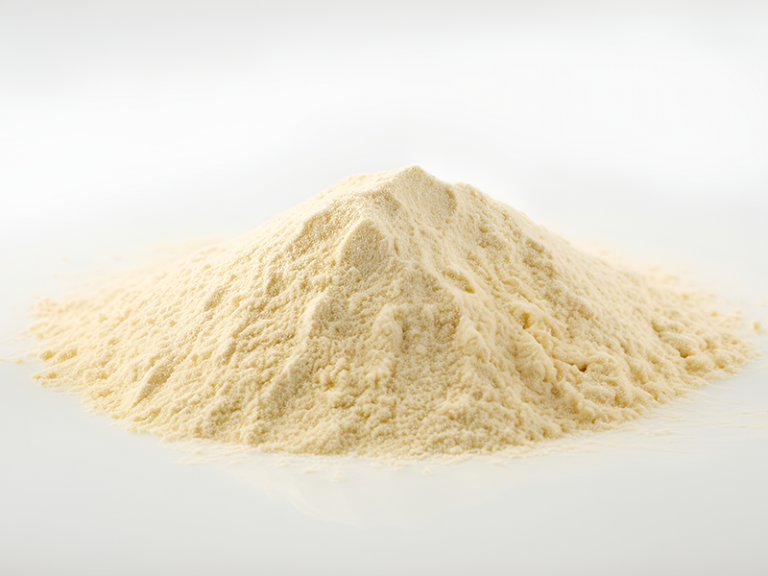
Experience, standards, and a real-world anchor
I’ve seen formulators in Ho Chi Minh City and Hanoi reject imported batches because the local humidity made lab numbers meaningless on arrival; that field experience teaches you to demand test certificates with environmental context. For cosmetics specifically, check alignment with well-known regulation frameworks—EU cosmetics regulation (Regulation (EC) No 1223/2009) is often used as a benchmark for safety and labeling. That matters when you’re working with silica in makeup powder, where particle behavior and purity affect skin feel and safety. Trust comes from verifiable lab data, supplier audits, and consistent shipment records.
Common pitfalls and how to avoid them
Don’t assume all “silica” behaves the same. Mistakes: using fumed silica where precipitated silica is needed, ignoring hydrophobic coatings for moisture-sensitive blends, or accepting certificates without batch traceability. Avoid buying on price alone; cheap material often has wider PSD spread or higher moisture. Another trap is changing a single supplier without side-by-side trials—small differences require formula adjustment. Run pilot-scale tests under real plant conditions before full switch-over.
Alternatives and trade-offs
If silica isn’t ideal for a role, consider alternatives but know the compromises. Talc gives smoothness but has different safety and regulatory considerations. Starch or cellulose works for absorbency but won’t deliver the same optical properties in cosmetics. Calcined clays offer oil absorption but can change color tone. Choose based on the prioritized property: flow control, oil absorption, opacity, or tactile finish. Test substitutes thoroughly; what solves one problem often creates another.
How reliable suppliers change the outcome
A supplier that commits to transparent specs, timely certificates, and technical support reduces rework and speeds qualification. That support might mean providing pilot batches, sharing process parameters, or advising on storage and handling at local humidity levels. When a supplier acts like a technical partner rather than a merchant, you spend less time firefighting and more time improving products.
Where this leads for your sourcing decision
Make procurement decisions around measurable fit: require full test panels, demand traceability, and insist on trial deliveries under your real conditions. A supplier that provides technical backup and consistent documentation becomes a reliability anchor for your lines. When you want that kind of predictable performance, consider a partner like JSJ Silica which blends production control with product-grade transparency so your formulations behave the way you expect.