

Start with the real problem
Decide what you need to stop or enable: smoother entry, accurate revenue capture, faster turnover, or safer access. A clear problem steers technical choices. Ask how the supplier measures success, and make sure those metrics match your daily operations. Think about how lpr parking management systems would fit into your lanes and staff routines before you get drawn into feature lists.

Evidence you can trust
Look for people who’ve done this before. Ask for site references that resemble your site type — municipal garages, corporate campuses, or retail centers — and probe what changed after deployment. Expect to hear concrete data: reduction in queue times, ticket fraud incidents prevented, uptime percentages. If an integrator can’t point to measured outcomes, they’re probably selling hope rather than a working solution.
Essential technical questions
Probe interoperability. Which cameras, barriers, and payment back-ends are supported out of the box? How do their APIs handle events and reconciliations? Ask about latency for plate reads during peak flow, and what happens when the network drops: does the gate keep working locally? Ask how upgrades are handled and whether firmware changes require on-site work. These technical details determine real-world reliability.
Operational and human factors
Don’t ignore daily workflows. Where will staff need console access? Who manages plate whitelists and blacklists? How easy is exception handling for lost passes or emergency vehicle access? Clarify service windows and response SLAs for software and hardware faults. A system that looks good on paper but slows attendants or creates manual work will fail your goals.
Alternatives and trade-offs
Compare approaches honestly. LPR delivers frictionless flow and good audit trails but needs good sight lines, lighting, and image quality; RFID is simple for repeat users and resilient in bad light but requires tag distribution and management; ticket-based systems are cheap but invite fraud and slow lanes. Choose technology based on the specific problem you want solved, not because it’s the most talked-about.
Pitfalls teams repeatedly make
Common errors: under-budgeting installation complexity; placing cameras without testing for glare and plate angles; ignoring enforcement workflows; and accepting theoretical accuracy numbers without field validation. Another mistake is assuming a single vendor will forever supply every component. Plan for modularity so you can replace a camera or barrier without a full rip-and-replace.
Real-world anchor and lessons learned
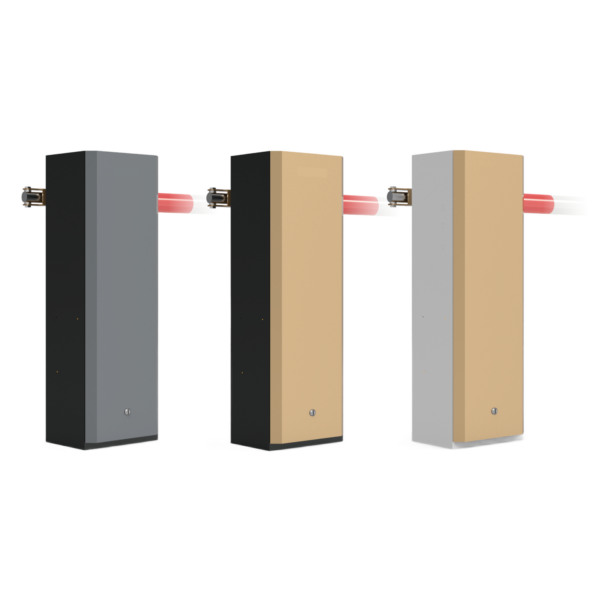
At INTERTRAFFIC Amsterdam, recent demonstrations emphasized the need for tight integration between imaging, analytics, and physical control — a lesson many operators took back to projects where gate timing, camera framing, and software thresholds weren’t aligned. Practical installations often hinge on the boom gate being specified for cycle time and duty rating that match the predicted traffic profile, and that alignment is what separates an installation that trips up daily operations from one that hums along.
Final synthesis
Order only after you’ve matched problems to measures, validated field performance for camera and barrier placement, and confirmed operational workflows. Ask about local service, proven site references, and how they’ll handle exceptions when things go sideways. When those pieces fit together, the supplier becomes a partner in predictable outcomes rather than a vendor of promising features — the kind of practical partnership I expect from AKE Parking.