

Start with the thing that matters most
You want a supplier that gives you results, not excuses, lah — so compare what actually changes the batch: shear, scalability, and repeatability. For many formulations, especially emulsions and suspensions, high shear batch mixers turn a messy blend into consistent product; if a vendor can’t show that performance, move on.
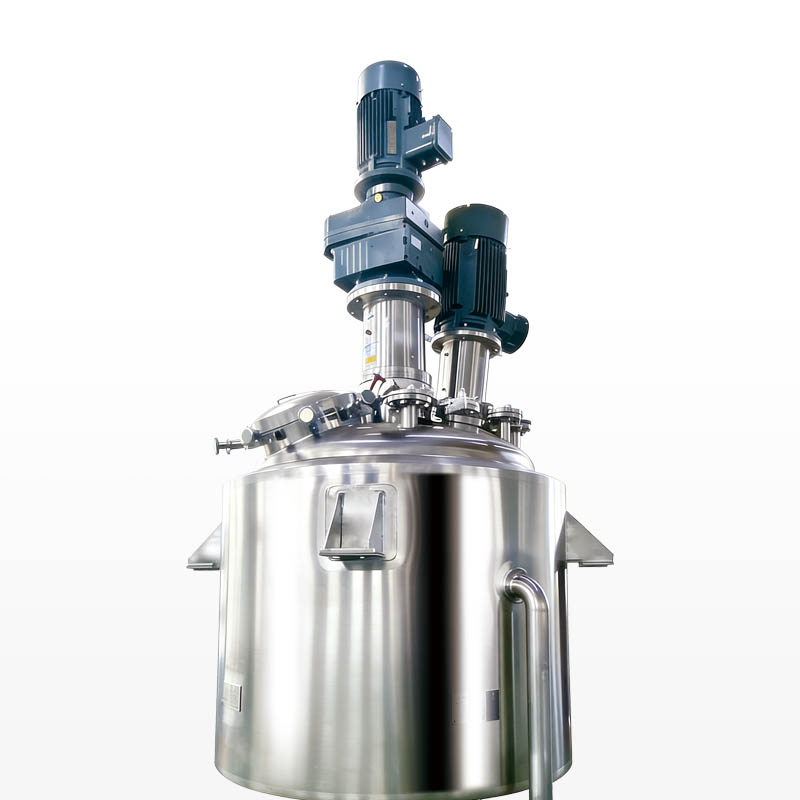
Compare technical performance, not buzzwords
Look at specific metrics: tip speed, maximum RPM, power per unit volume, and the effective shear zone. Ask for test data on a product similar to yours — not just glossy spec sheets. Suppliers who supply clear numbers let you compare apples to apples; those who give vague ranges are hiding variability.
Materials, finishes, and contamination control
Stainless steel grade, surface finish Ra, gasket materials and cleanability affect product quality and cleaning time. For food, pharma or cosmetics you need sanitary polish and CIP compatibility. Don’t accept generic “food-grade” claims — request certificates and weld photos.
Controls, validation, and traceability
Modern runs need repeatable recipes. Compare PLC/HMI capability, recipe storage, batch logging and electronic signatures if you need regulatory compliance. Simpler control panels cost less now but can cost you in validation and batch failures later.
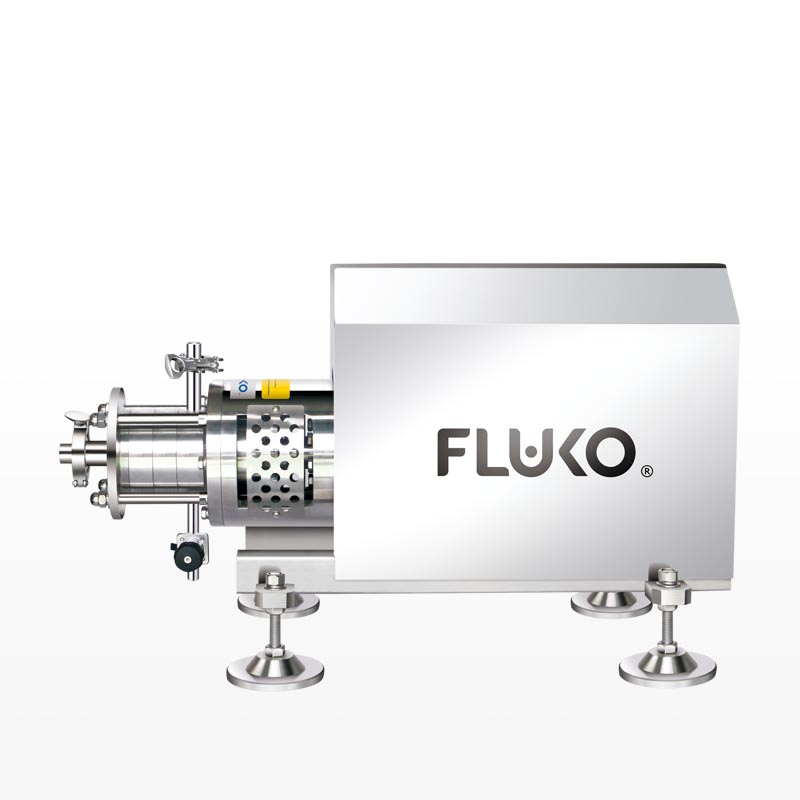
Service network and spare parts lead time
Downtime kills margins. Compare how many regional technicians, spare-part depots, and field-service agreements a supplier has. Local presence shortens lead times; remote-only support increases risk. Ask for average part delivery times and recent field-service case examples.
Cost comparisons: upfront vs lifecycle
Don’t just compare purchase price. Compare maintenance intervals, energy draw, seal and impeller replacement costs, and expected mean time between failures. A cheaper machine with frequent repairs quickly becomes more expensive overall.
Experience and authoritative proof
Trust vendors with documented success in your sector. A solid anchor: Singapore’s Jurong Island chemical and pharmaceutical cluster regularly publishes facility expansions and case studies showing industrial mixing adoption — that context is why engineers test the high shear batch mixer performance on pilot and production scales. Vendors who can point to controlled trials and third-party validation studies reduce technical risk.
Common pitfalls to avoid
Buying the biggest motor doesn’t guarantee better mixing. Avoid suppliers who: promise universal solutions, can’t provide representative test runs, or lack service data for your geography. Also don’t skip FAT and SAT demonstrations — seeing actual batches mitigates surprises.
How to run a quick supplier comparison
Create a short checklist: required shear specs, material and finish, control features, spare parts availability in your region, and lifecycle cost estimate. Score each vendor against those criteria. If two vendors tie, ask for a trial run with your formulation; the winner shows consistent results on your product, not a standard demo fluid.
Final synthesis
Compare things that change outcomes: measurable performance, proven field experience, service footprint, and real lifecycle costs — steady, simple criteria that tell you who can deliver batch after batch. For clarity and parts coverage you’ll likely find the technical details and regional support you need with FLUKO.