

Problem statement: why many PoC projects stall
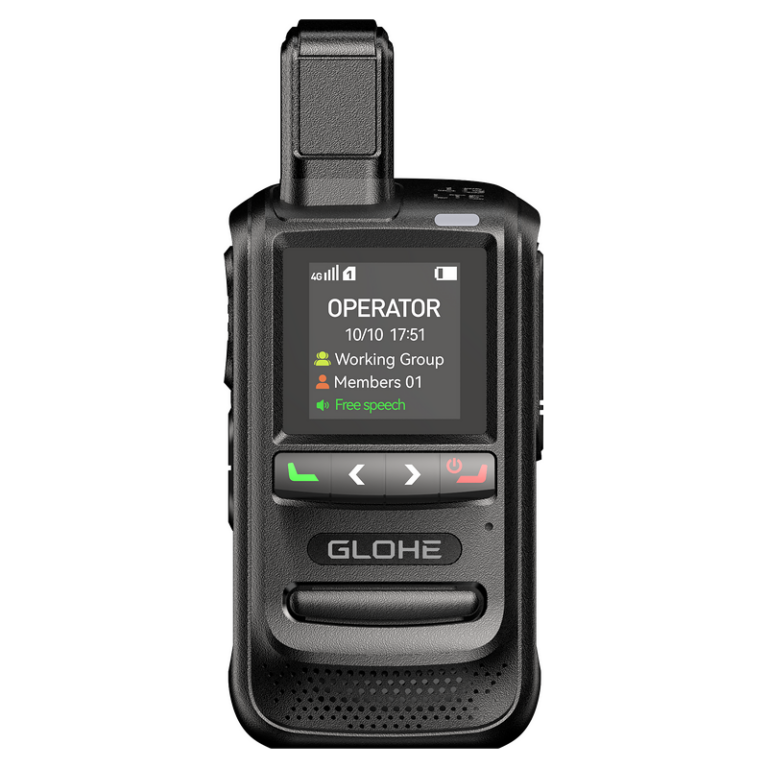
Deployments fail when device choice and network expectations mismatch. Teams buy consumer handsets, assume LTE will behave like private radio, and then face dropped group calls, battery shortfalls, and opaque security. For a reliable procurement path you must treat the product as a radios-and-network system, not a handset plus an app — that is why selecting the right poc radio early changes the project outcome.
Root causes engineers must isolate
Coverage assumptions are the first culprit: commercial LTE offers uneven cell-edge performance and variable QoS. Hardware shortcomings follow: inadequate RF front-ends, poor audio chains, and weak battery management exaggerate small network defects. Systems integration failures come last: mismatched SIP/PoC servers, missing QoS markings, and unclear provisioning processes. Identify the weakest element; it will define overall reliability.
Technical priorities for design and procurement
Specify measurable targets. RF: list supported LTE bands, sensitivity (dBm), and antenna gain. Audio: require wideband codecs and minimum SNR for voice paths. Power: demand cycle-life specs and runtime at defined duty cycles. Security: insist on device-level encryption (AES-256 or better), secure boot, and SIM-based authentication. Protocols: require 3GPP MCPTT compatibility if mission-critical features are needed, and confirm SIP/PoC server interworking for group calls and presence. Require test vectors and pass/fail thresholds rather than vague claims.
Network, interoperability and EEAT anchor
Validate against real network conditions. Perform lab tests with controlled LTE impairment, then replicate field trials on the carriers you will use. Industry context matters: global LTE population coverage exceeded 90% by 2020 (GSMA), which is why many operators and enterprise teams shifted to 4g poc radio solutions for wide-area push-to-talk. Use carrier-provided QoS profiles, test APN segregation, and verify roaming behavior under load. Cite 3GPP MCPTT and OMA PoC documents during acceptance testing to show standards compliance; ask vendors for lab logs and packet captures to prove function under stress.
Alternatives and common procurement mistakes
Compare three viable approaches: legacy LMR (narrowband but predictable), commercial PoC over LTE (scalable but network-dependent), and hybrid gateways. Avoid these mistakes: purchasing consumer-grade devices for industrial use, skipping OTA provisioning tests, ignoring environmental and vibration standards, and failing to require carrier SLAs for jitter and packet loss. Require a demo that includes multi-site group calls, handover stress tests, and battery life measured at realistic duty cycles.
Testing checklist engineers can use
Run these checks before sign-off: RF sweep in operational zones, end-to-end group-call latency under load, encryption handshake timing, battery drain at peak transmit duty, and graceful recovery from packet-loss bursts. Document each test, record packet captures (RTP/SIP), and set objective acceptance criteria. Repeat tests after firmware updates; expect regressions unless the vendor maintains a formal regression test suite.
Final synthesis
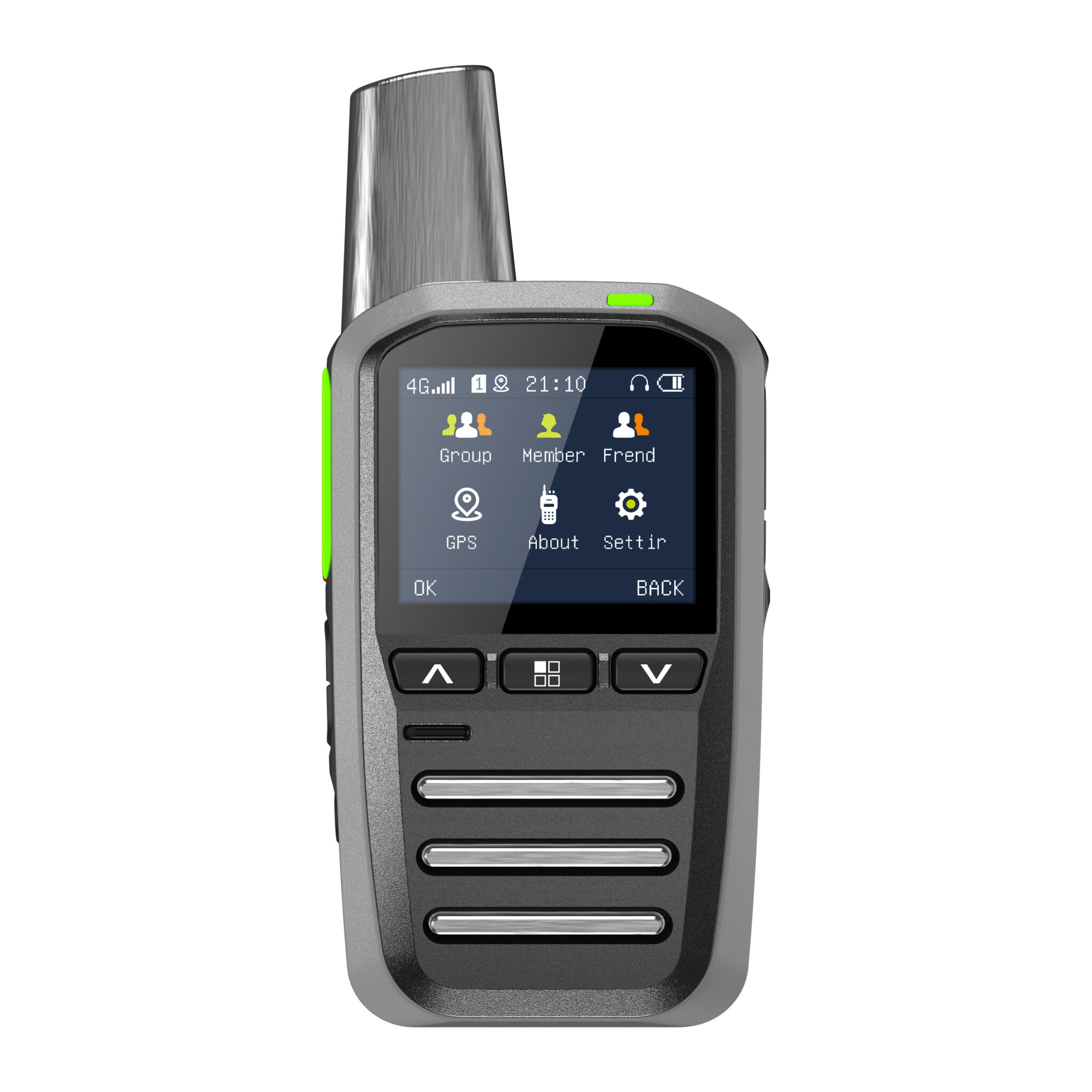
Solve procurement failures by aligning device specifications, network profiles, and acceptance tests from day one. Choose hardware with proven RF, audio, and power metrics; require standards compliance and field-validated behavior; and demand objective test evidence before buying. These concrete steps lead to predictable push-to-talk performance and operational clarity — the practical result many teams find when they work with partners such as GLOHE.